Sept 20, 2026







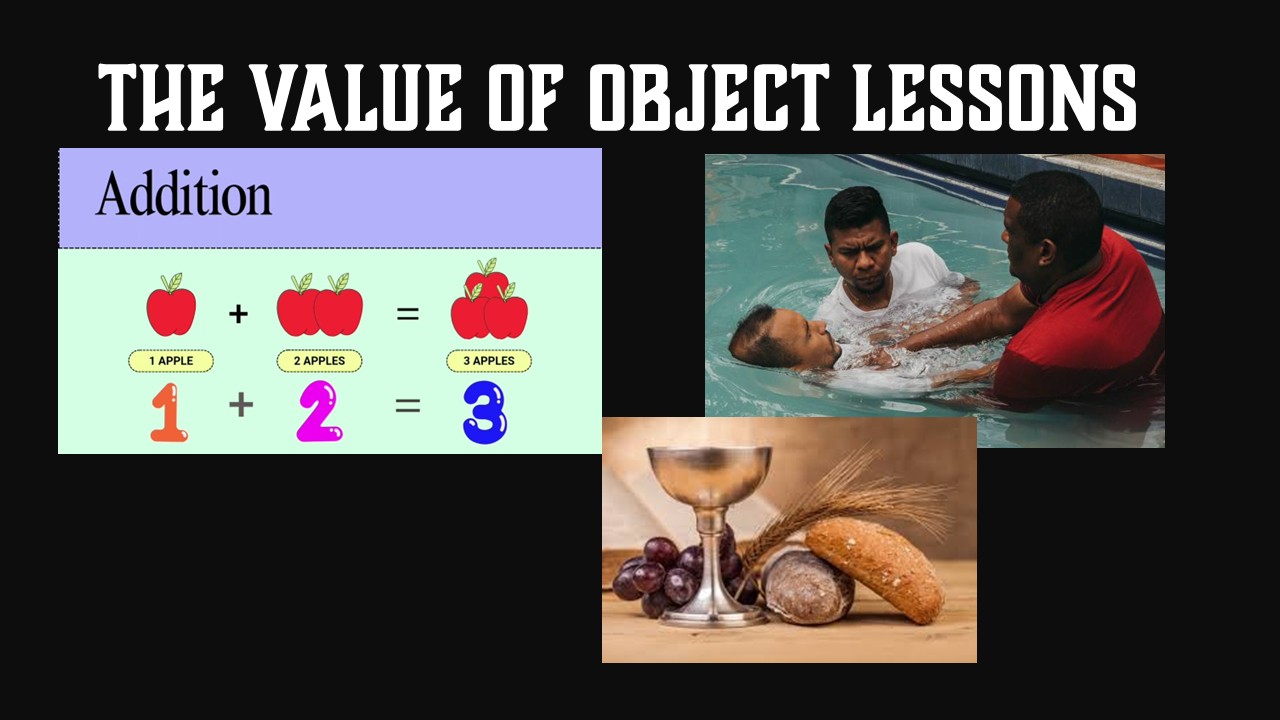
Earlier in my ministry when I pastored a church that wasn’t able to offer a children’s church like we do I included a children’s message during the worship service. I tried to take a biblical truth from my message that day and relate it to children by doing an object lesson. One I remember doing was on the security we have as God’s children. I would take a quarter and hold it in my hand tightly and challenge any of the kids to try to get the coin free from my hand. When a few of them would try and fail they could understand the scripture that says of our relationship with God “No one can pluck us from the father’s hand.” We all like good object lesson because they can bring abstract concepts down to reality.
God likes using object lessons to amplify and illuminate spiritual truth. You may not have thought this before but our lives as Christians are to be an object lesson for the people around us and the angels in heaven. It’s safe to see that people and angels are watching us. One of the ways our lives are object lessons is through the created order of men and women and the way our relationships reflect that our origins are from God, reflecting His power, creativity and love.
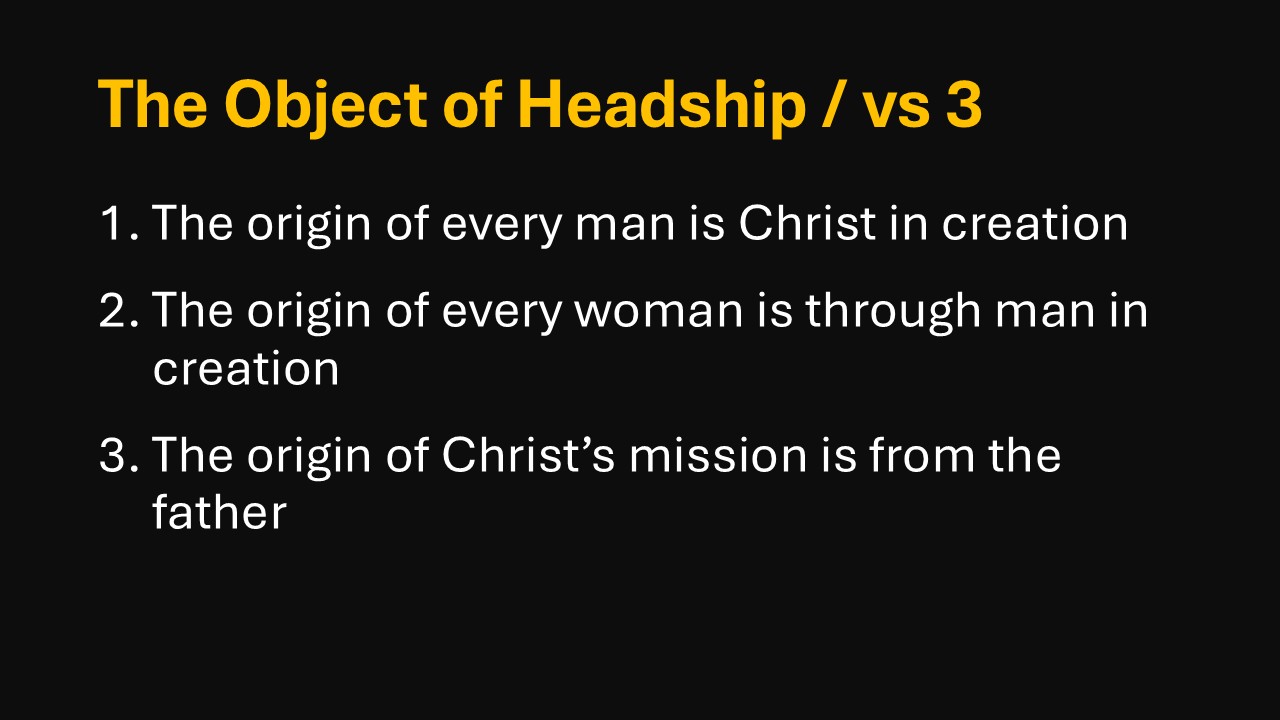
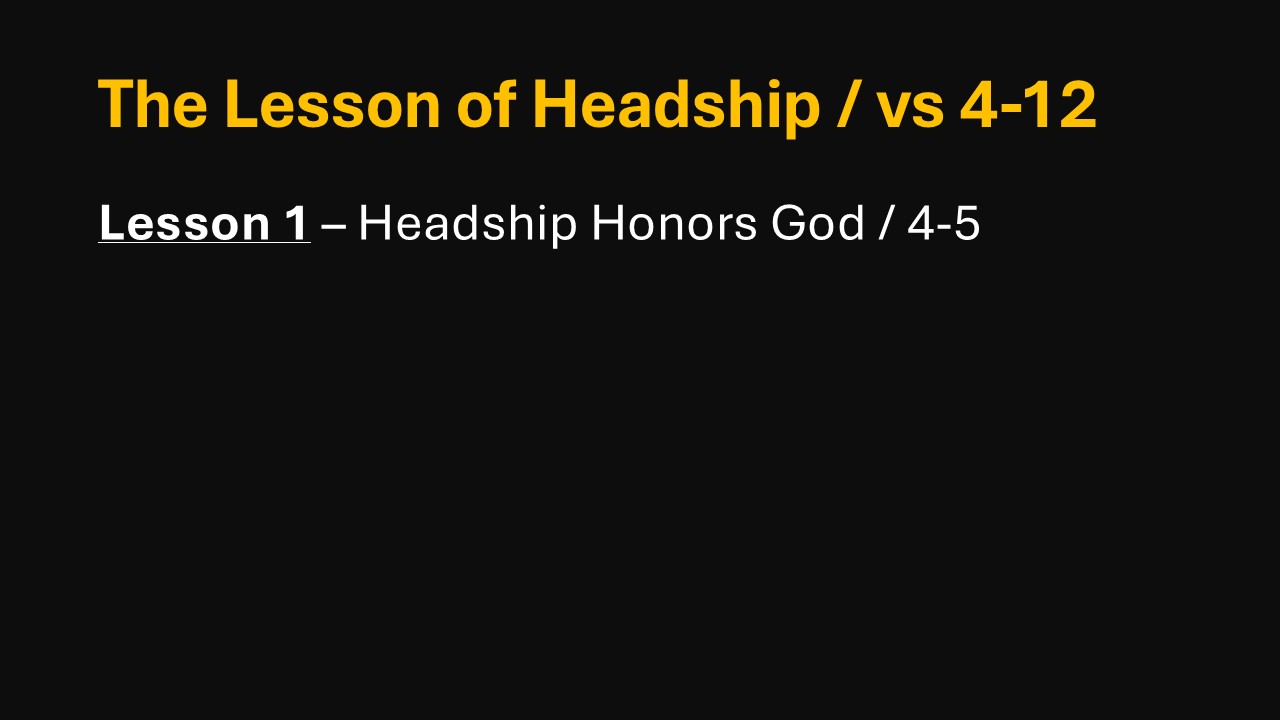
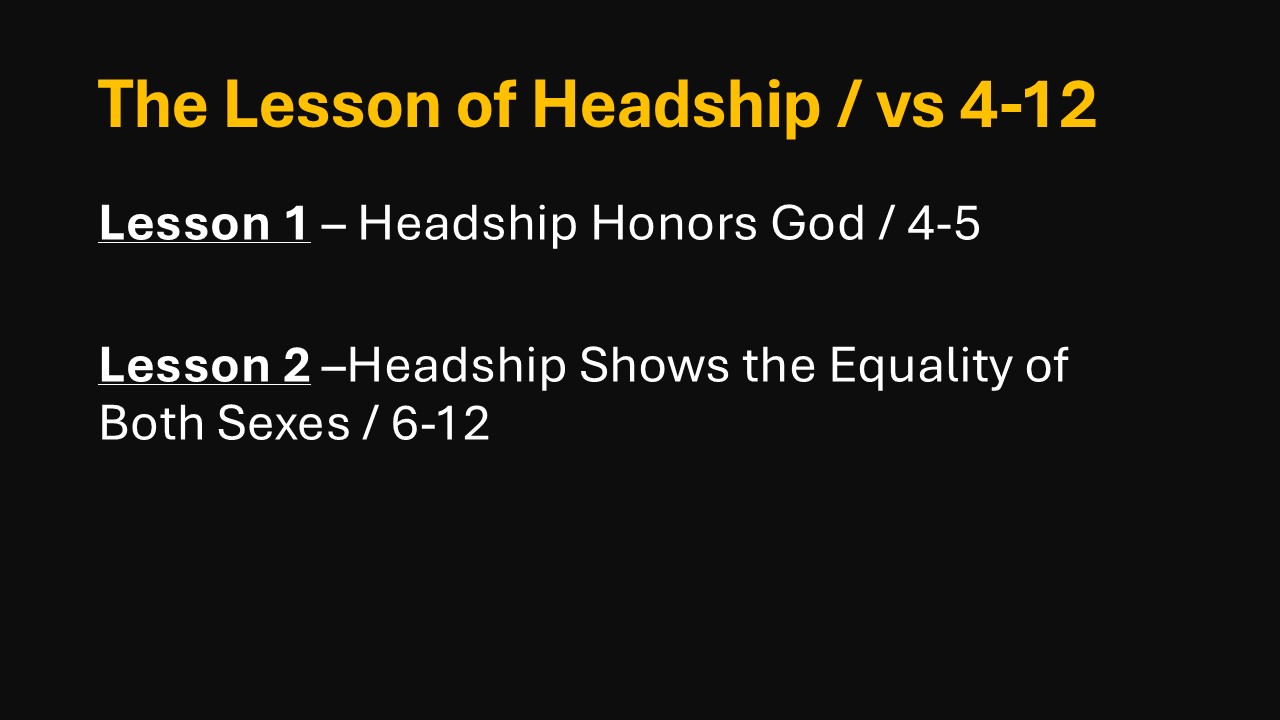
This Sunday we will take a dive into 1 Corinthians 11 and the headship principle. This passage and doctrine are often misunderstood and wrongly applied in Christendom. As we continue our search for the Male Identity, we will look at the object lesson of headship as it is taught in this passage and throughout the Bible. I invite you to come to church this Sunday, being willing to set aside whatever preconceived ideas you may have about this passage and doctrine. Then open your mind and heart to looking with me into scripture to see this amazing object lesson, then, by God’s grace look to be a living object lesson that reflects the creative order of God.








As a Baptist preacher, I not only have been trained to interpret and preach the Bible literally, but I also preach that way by conviction. When you teach the Bible to be literally true there are bound to be things that will run counter to the culture we live in. In the recent years of my ministry, I cannot think of anything else that has been a tougher issue to teach from scripture than the role of men in the church, society as a whole and in the family. To espouse that a man is the “head” of a home is not a popular notion in the mainstream of our culture. There has been a huge cultural shift since the end of WWII for the demotion of men as the “head” of the family unit and to neutralize the sexes so there is no difference between men and women. Society emasculates men, makes them the butt of jokes, or calls them toxic as though they are a poison in the rest of culture. Mature men struggle with finding a safe identity not to mention the struggle boys and teenagers are facing with a myriad of voices telling them a hundred things they should be and should not be.
As a Preacher of the Gospel, I have had a great concern about that trend for the effect it is having on men, but also on women and in society as a whole. Preachers are not the only ones to have this concern. Scott Galloway, a professor of marketing at NYU’s Stern School of Business in NYC, has recently written a # 1 NYT bestselling book titled “Notes on Being a Man”. The introduction to the book sets the tone of the book:
“Boys and men are in crisis. Rarely has a cohort fallen further and faster than young men living in Western democracies. Boys are less likely to graduate from high school or college than girls. One in seven men reports having no friends, and men account for three of every four deaths of despair in America. Even worse, the lack of attention to these problems has created a vacuum filled by voices espousing misogyny, the demonization of others, and a toxic vision of masculinity. But this is not just a male issue: Women and children cannot flourish if men aren’t doing well. And as we know from spates of violence, there is nothing more dangerous than a lonely, broke young man.”
Scott Galloway is not a believer, but his book rings true with a biblical worldview about men and the need for the right kind of man in our society. Last year I was asked by a woman in our church if I would give some biblical teaching on the role of men and help answer some of the questions we face when we make a literal application of scripture to the role of men in the home, the church and in society. Starting this Sunday, I am doing a three-part sermon series titled “The MALE Identity”. The three messages are:
You likely have caught on by now that I am not a typical Southern Baptist Preacher so I can guarantee you I will not approach this like most SBC preachers do. Because I think the role of men in our homes, churches and society is crucial for the health of those entities, what I want to do is challenge our thinking about this topic and by the Spirit of God with the Word of God pray that we will have a biblical view of the male identity. I am excited and nervous at the same time to preach these messages. I am excited because scripture has the answers to address this crisis in our society. I am nervous because I’m guessing that while I never try to do this on purpose, these messages are likely to be offensive to some of you either because you’ll think I’m too hard or I’m too soft on the subject. What I hope to be is biblical and edifying to you my sheep who are so susceptible to the devices of this evil world we live in.


I don’t know about you, but I really do not like to wait. When I am driving in traffic, I’m usually assessing the traffic in front of me to see which lane will be the fastest getting through a stop light. I do the same thing at the grocery store checkout. If I am expecting an important delivery, I will check my doors several times before it comes. And we all know there are much more serious things people wait for; health results, the reconciliation of a relationship or for someone to genuinely say the words I love you. Waiting can often feel weighty.
This Sunday is our One Church Service, and I am between sermon series, so I felt God direct me to share this message from Psalm 130 where the Psalmist says, “I wait for the LORD, my soul waits.” Have you ever been, or are you in a place where you feel you are waiting for the Lord to do something in your life? It does not take long for our waiting to feel weighty, making us feel spent. On the journey of faith, the concept of movement is implied. When on a journey you move from one place to another. Sue and I have done a fair bit of hiking throughout our lives, and I can tell you any hike will include times of movement and times of waiting before the destination is reached. If movement were all we did on a hike we would miss the chance for hydration, nutrition, communication with others and the opportunity to see the beauty of the environment we are hiking. Times of waiting are needed both in the physical realm and in the spiritual realm.
Psalm 130 is an ascent Psalm the Israelites would sing on their way up to Jerusalem, from the depth of the valley to the heights of worshiping God. Join me this Sunday as this amazing text illuminates how The Weight of Waiting is something God wants to use in your journey of faith.







There is no question that when we look at the created world, all organisms and organic life are designed for reproduction. Plants have very creative ways to spread their seeds so new plants are planted, producing fruit, and repeating the cycle. Organisms reproduce after their kind; with the expectation the offspring will themselves reproduce someday. Without reproduction, life would cease to exist.
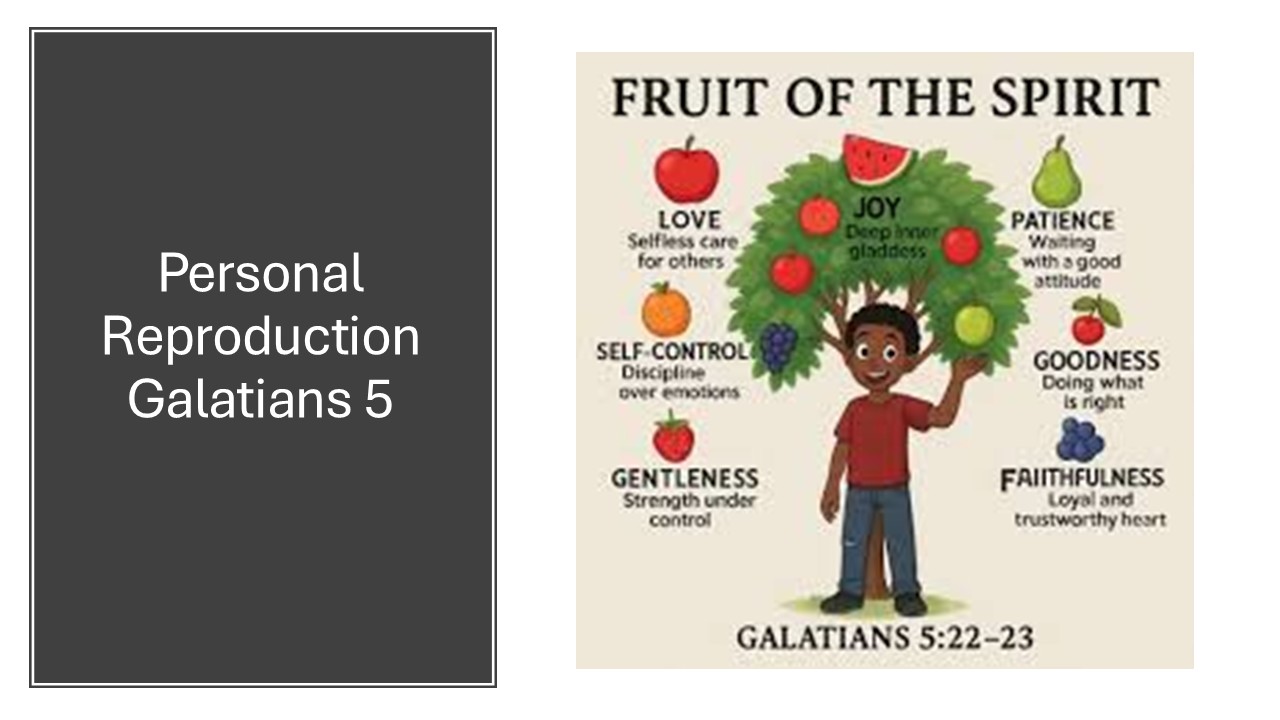
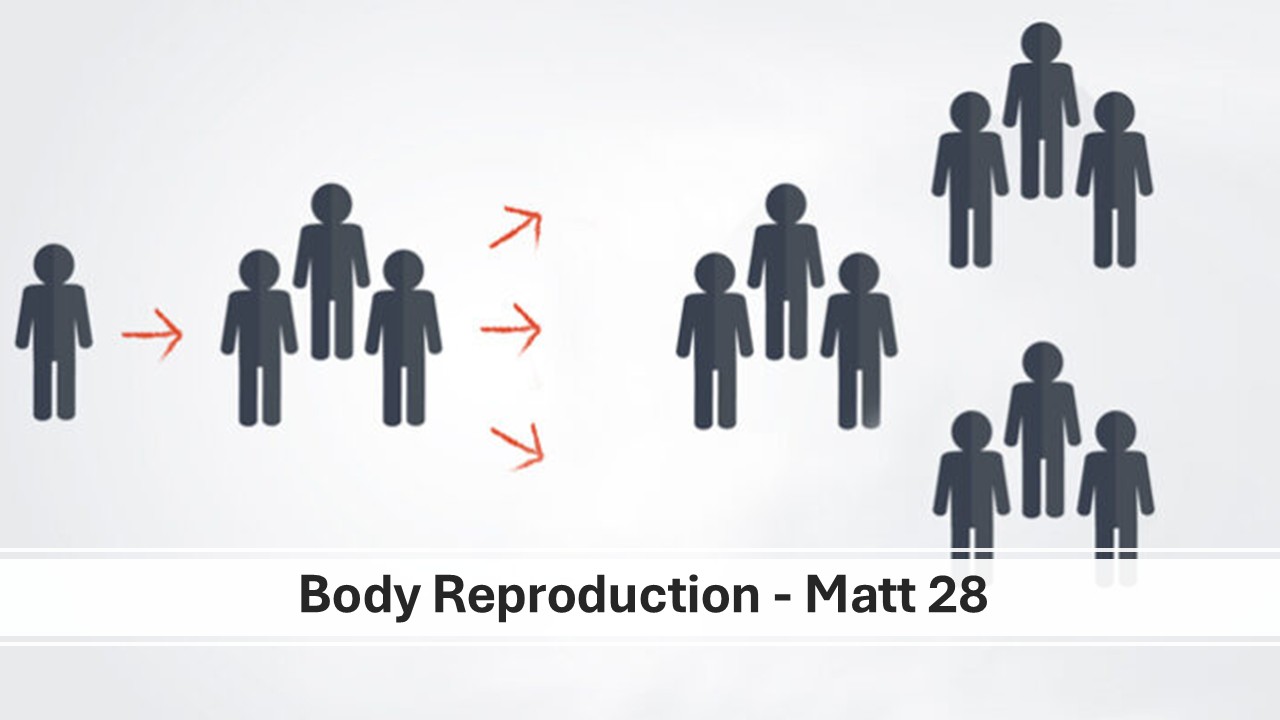
Scripture often uses things from the organic world to illustrate spiritual truth. In the OT Israel is compared to a vine and in the NT Jesus uses agricultural references many times in his teaching. Just as there is an understanding that life in the natural realm is designed to reproduce, we should also understand that life in the spiritual realm is designed to reproduce. That reproduction begins with the subtle changes we all hope to see in our spiritual growth of gradually reproducing the character of Christ in our lives. When a person comes to faith in Christ, we think of that as the reproduction of the Christian. The concept of spiritual reproduction continues to expand beyond personal reproduction to the reproduction of leaders, ministries, and churches. For us as Christians the word disciple means to follow Christ and become more like him. Over the course of Jesus’ earthly ministry he invested in a group of disciples that followed him so they could be like him. Those disciples went on to reproduce what Christ had produced in them in new disciples, new ministries, and new churches. We are called to continue that line of reproduction.
Join me this Sunday as we conclude our 1MISSION series with a focus on the reproductive nature of the mission God calls us to.



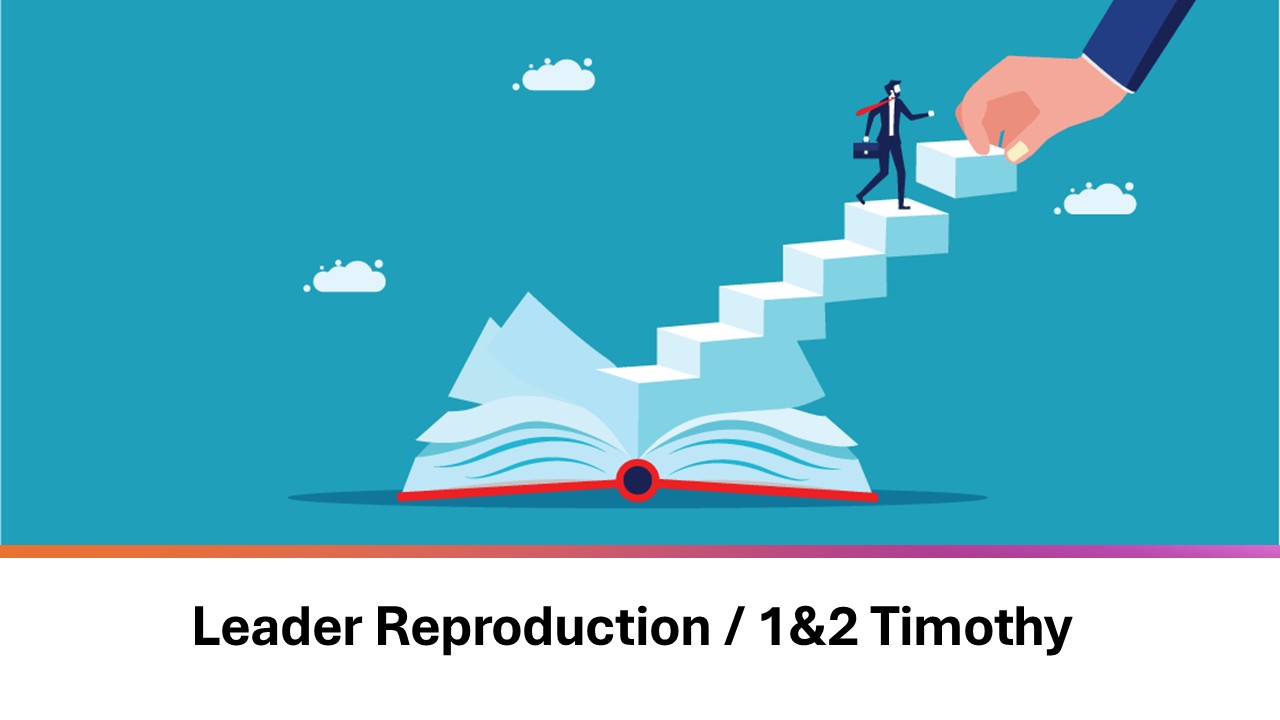

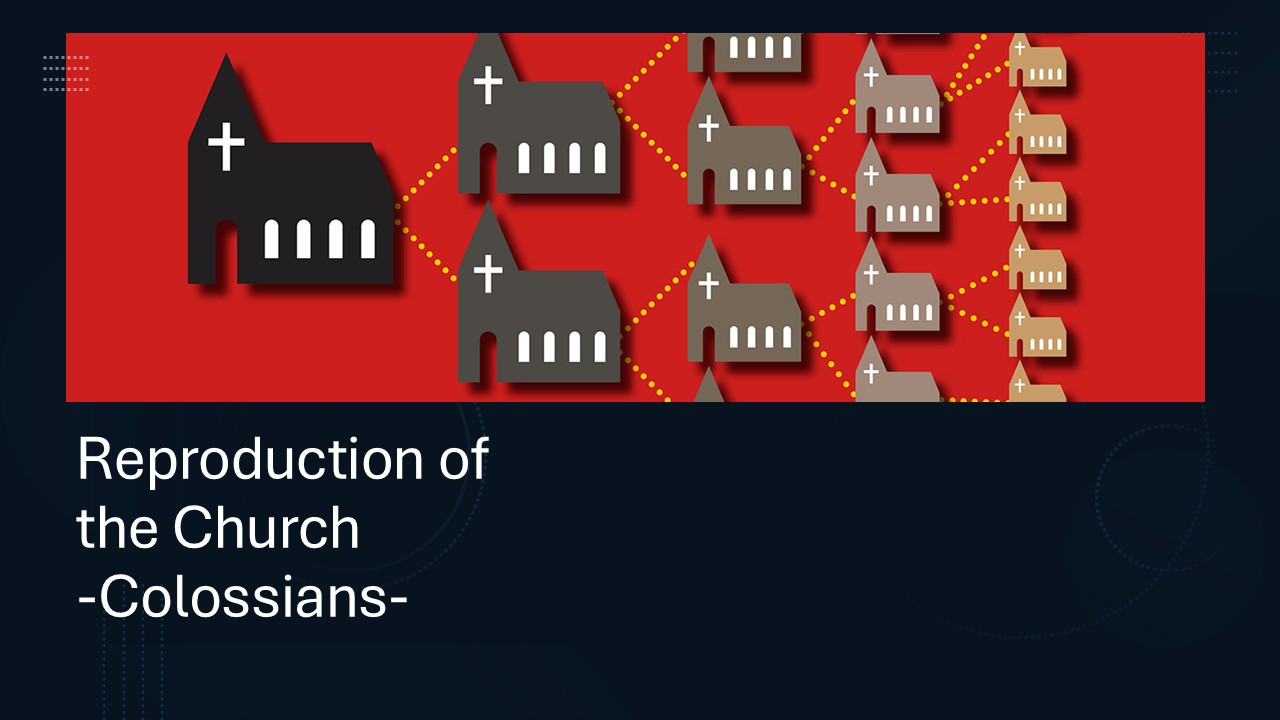
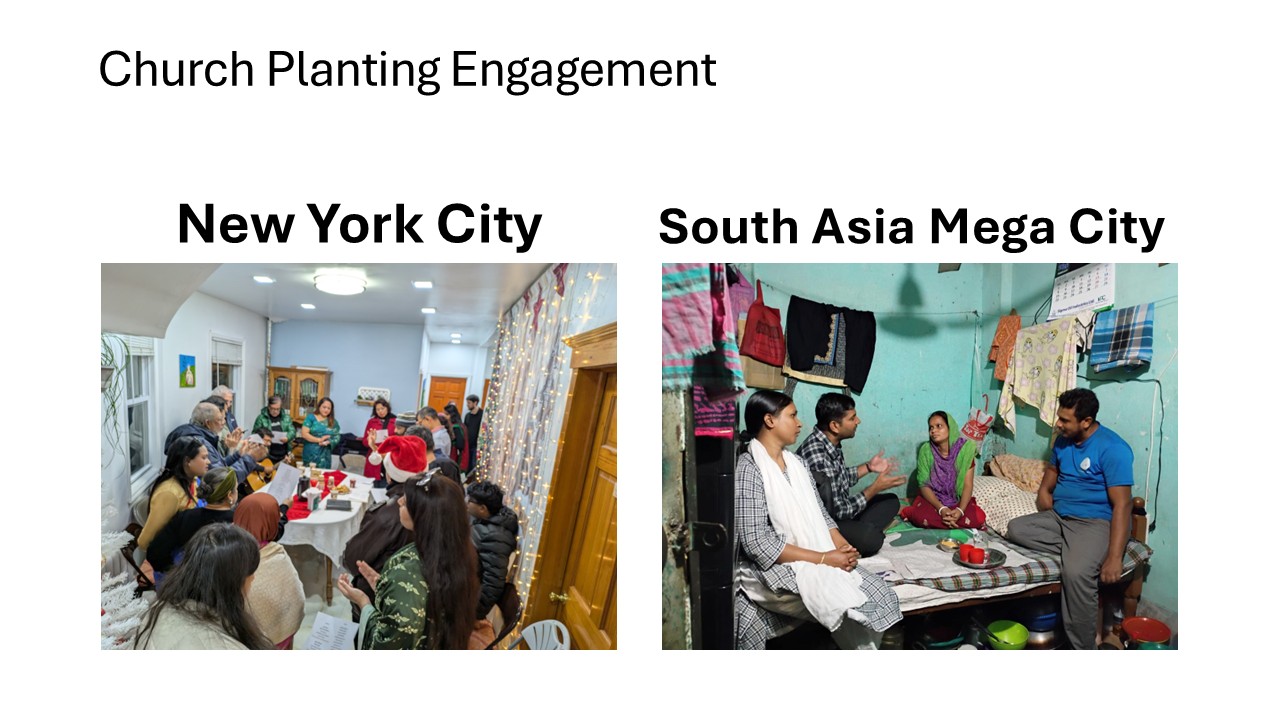




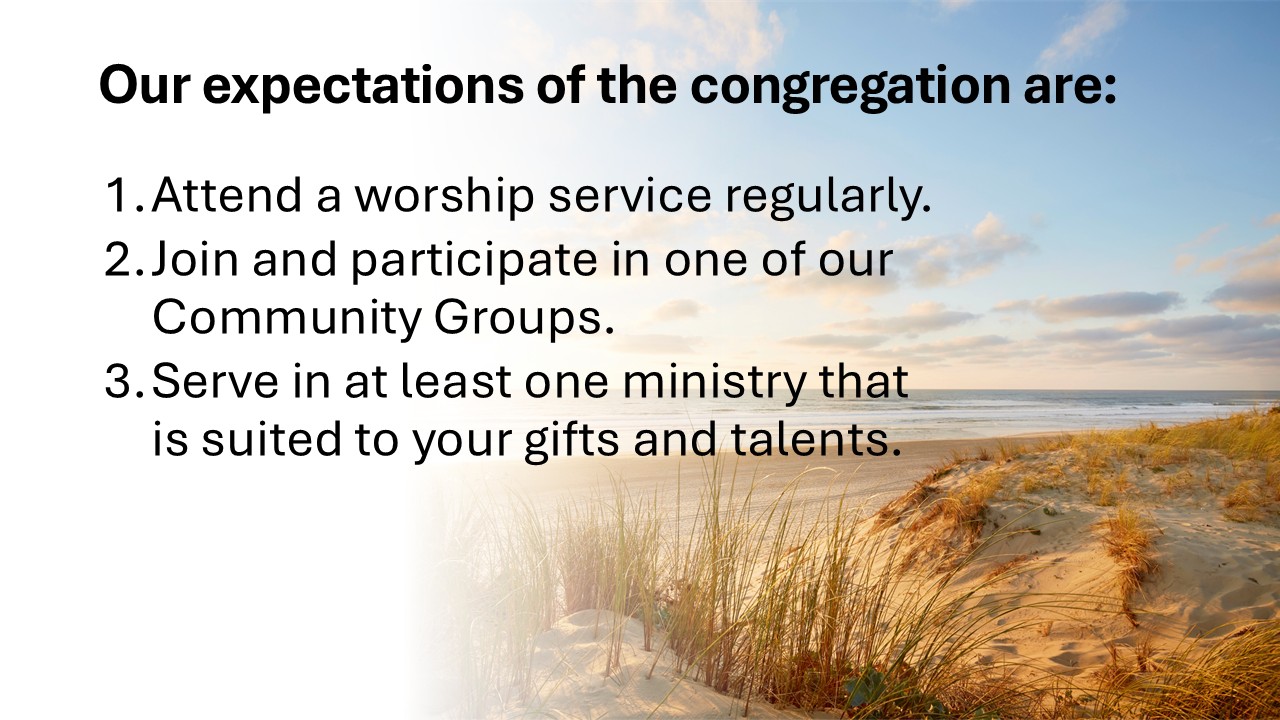
The task of global missions is a daunting task that any individual would feel overwhelmed with. It is equally daunting for an individual church and denomination. We must remember that the church is an organism that grows organically, by supernatural means. I can’t explain how the work of mission is completely accomplished because there is always the God factor that is beyond our knowledge. However, there are some things the church must do to maintain health to be effective in the mission God has given us.
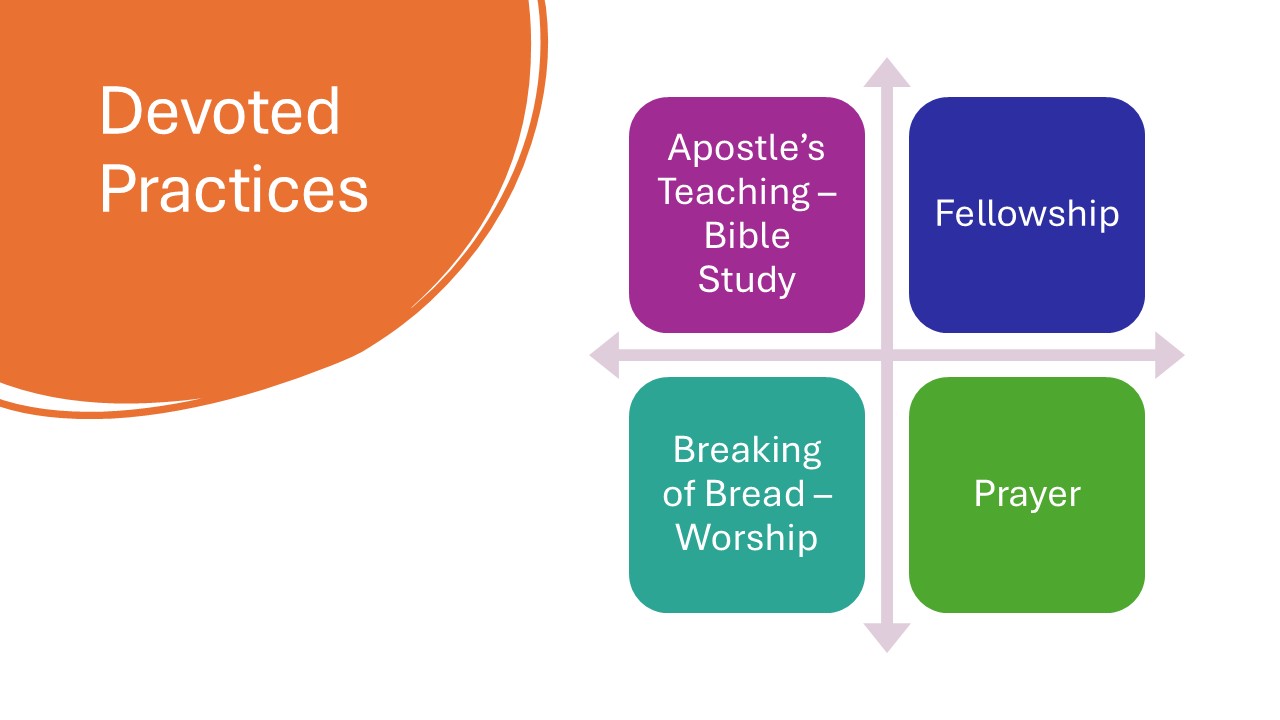
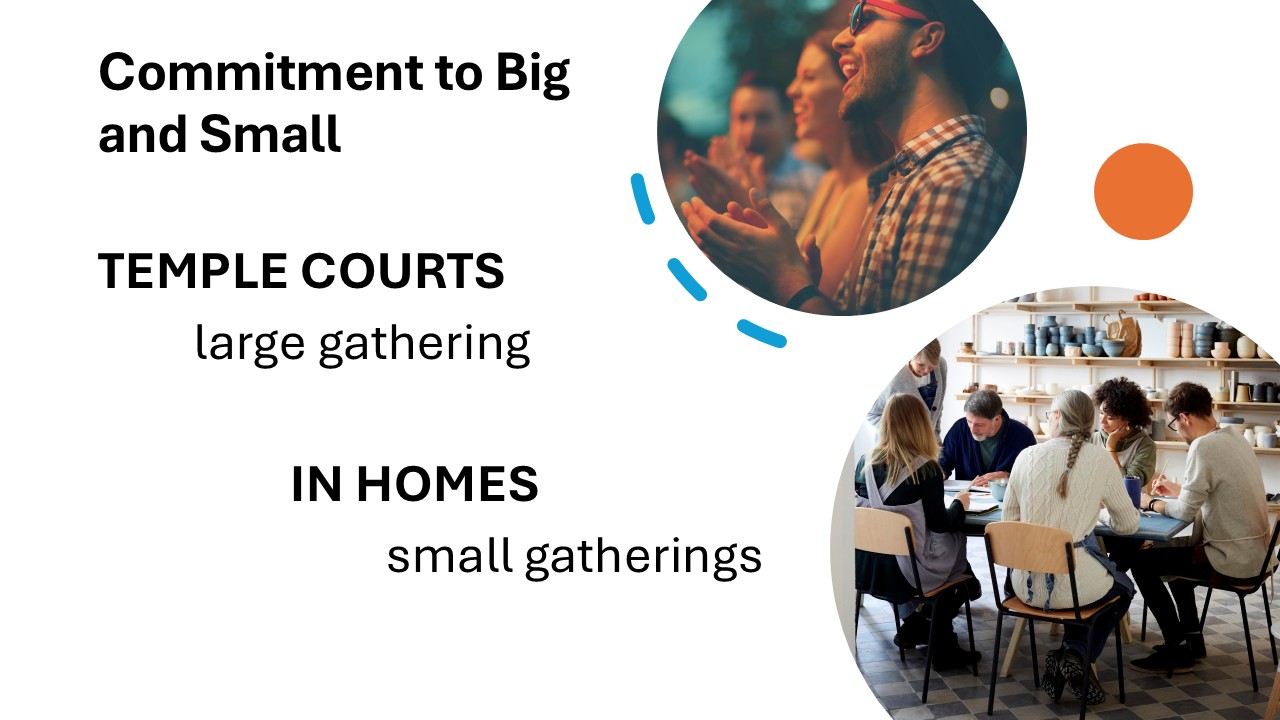
In Act 2, we read about the very first few days the church was in existence. We look at what the early church did in those days as the road map of what the church today should be doing. The early church shared certain practices as the Body of Christ that helped keep them healthy. They also made a commitment to the local church by joining whole church gatherings as well as smaller, more intimate gatherings in people’s homes. That rhythm kept the church healthy so they could be effective in mission to other people and people groups. For us as a church, the command to “Make disciples” means to first lead people to faith in Christ, then continue to help those disciples grow in that discipleship, become more like Christ as they mature and grow so they can effectively witness to others about their faith in Christ.
When the church commits to one another in the rhythms of the Spiritual life, the mission of God becomes sustainable. The mission is too big for any one person, church or denomination, but when we work as a team the mission can be done.





I was just 10 years old when the first Star Wars movie came out. I was hooked right away on the story of other civilizations in faraway galaxies, not to mention one of the greatest depictions of the battle between good and evil in recent times. A few years later there was the first sequel, and then a third movie after that, all of which were extremely popular. Then a generation later they released 3 more new Star Wars movies that were pre-quells (set before) to the original movie. Then came another three movies that continue the story after the original three. I know, the timeline is very confusing. And . . . in addition to that, the Star Wars franchise has also produced other movies and shows that are not part of the main story line, but provide backstory for the main characters and story line. In total there are 9 major movies and several small movies or shows that help to tell this one epic story we call Star Wars.
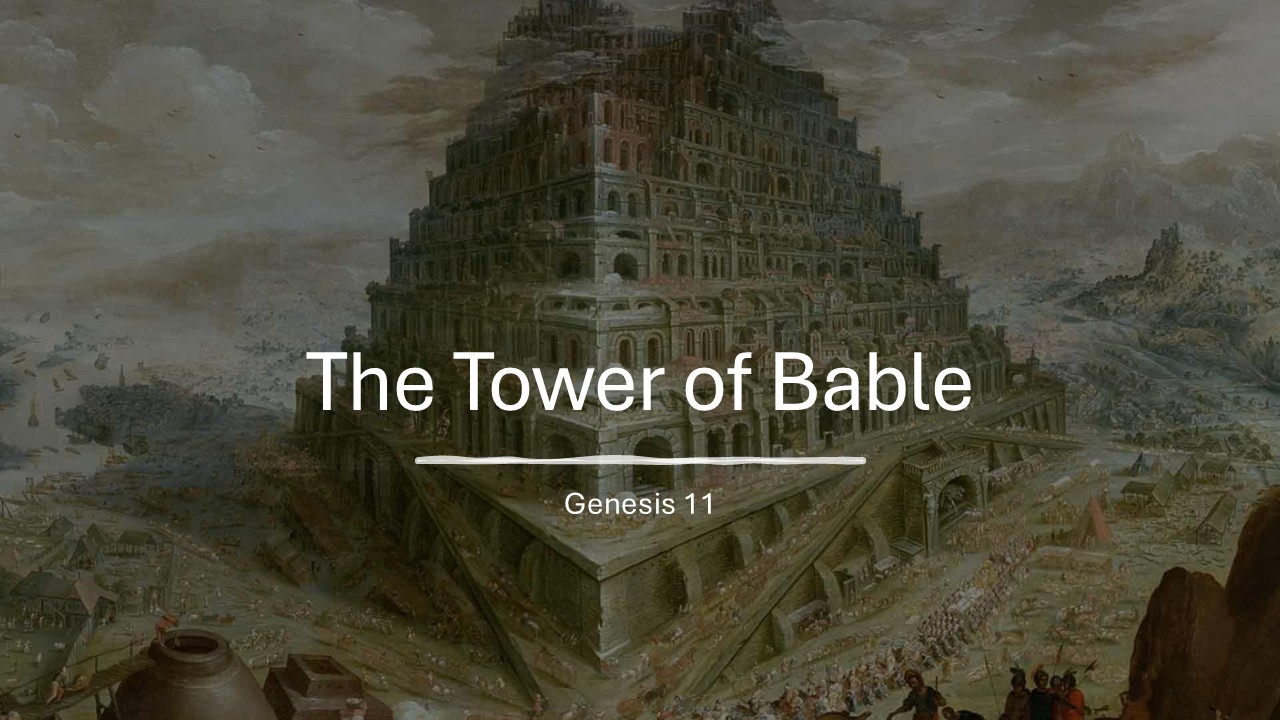
The mission of God is a lot like an epic story: there are some major episodes that carry the main story line with many other side stories that fill in the back story, so the one main story has a greater meaning for us. Many people think the concept of mission is just a New Testament development, but the mission of God is something that is almost as old as the origins of man, making for a captivating epic story. This Sunday we are considering the very origin of the call to mission, which will help us to understand both the focus and broader scope of the church’s mission. From its very beginning the 1Mission of God is the redemption of the people and nations of the earth. The amazing thing about this epic story is that it is still being written and there is a place for you and for our church in the recording of this story. Join me this Sunday as we seek to find our place in the epic story of God’s mission.











A few years ago, at the Iron Sharpens Iron Conference I had the opportunity to hear Retired General William Boykin. General Boykin was an original Delta Force soldier who later returned to the Delta Force as the commander of that unit. As you can imagine, he had many fascinating war stories to tell from his days in the Delta Force. Each account started with him saying, “We got a call from President __ . . .”, asking them to go on a particular mission. Each mission they went on reflected the character and values of that president and the administration they led. In his service with the Delta Force, he always understood they operated at the will of the President and the mission they were on reflected that administration. The mission reflects the mission giver.
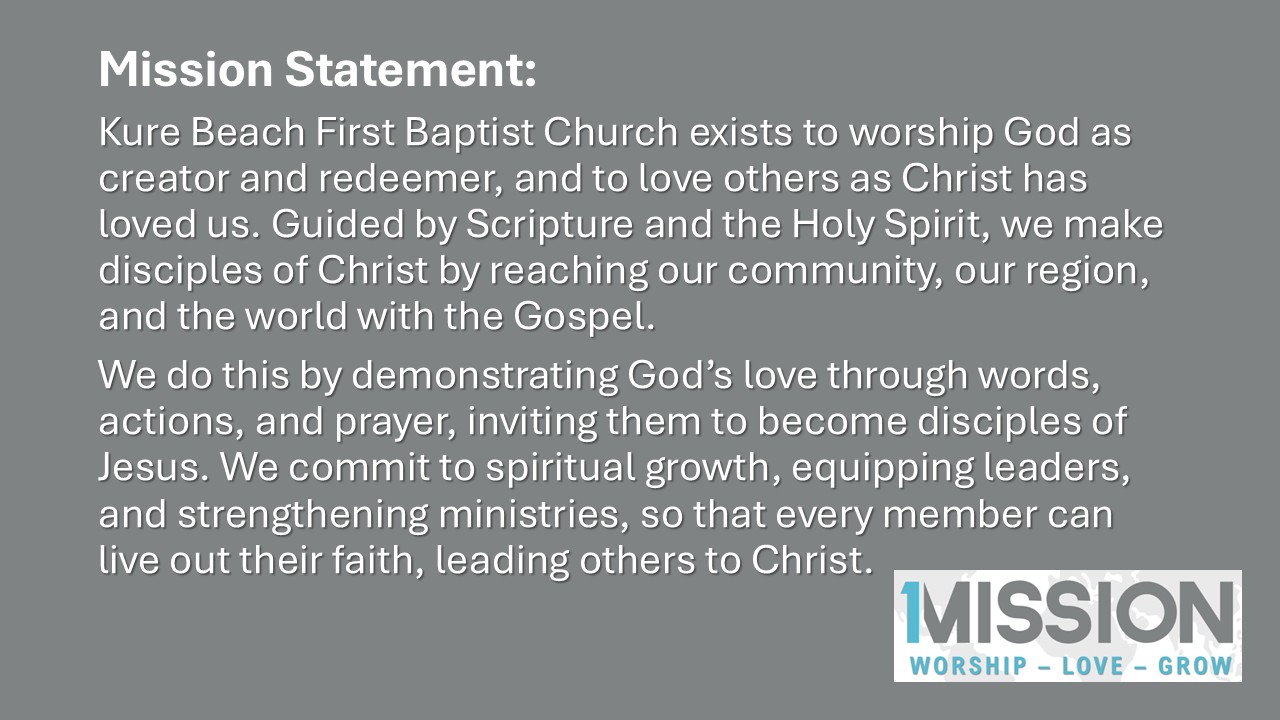
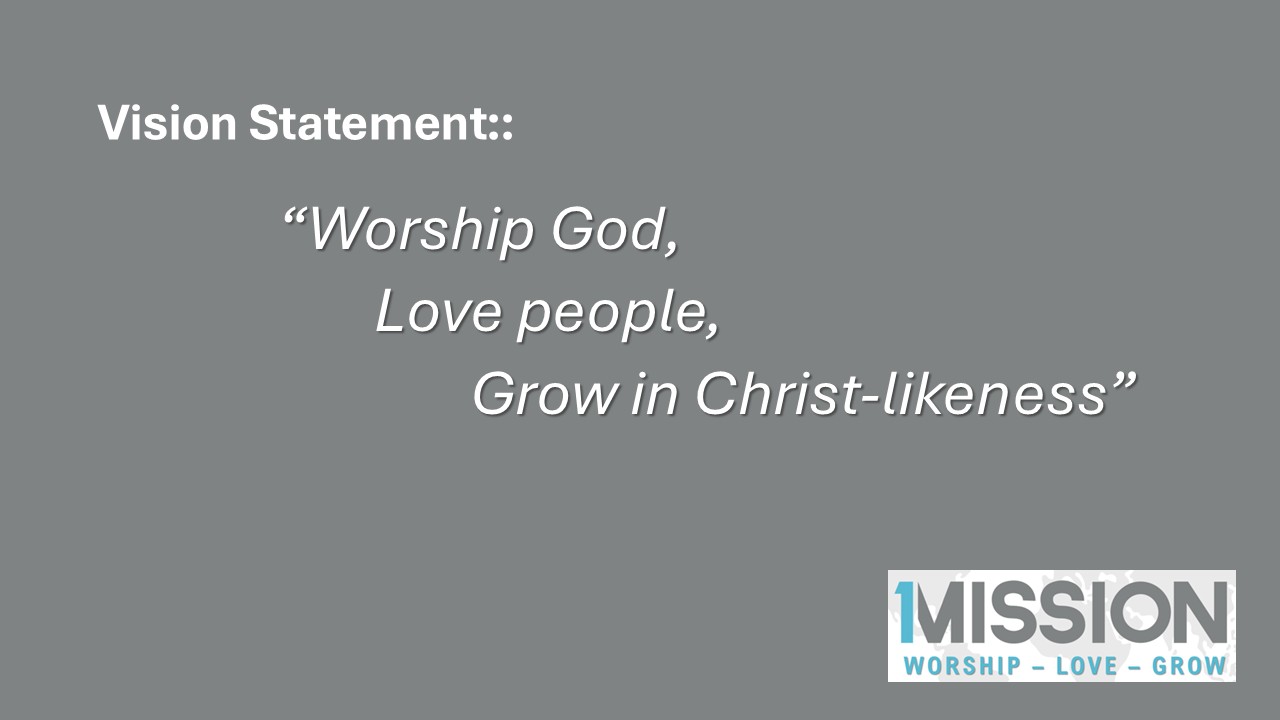
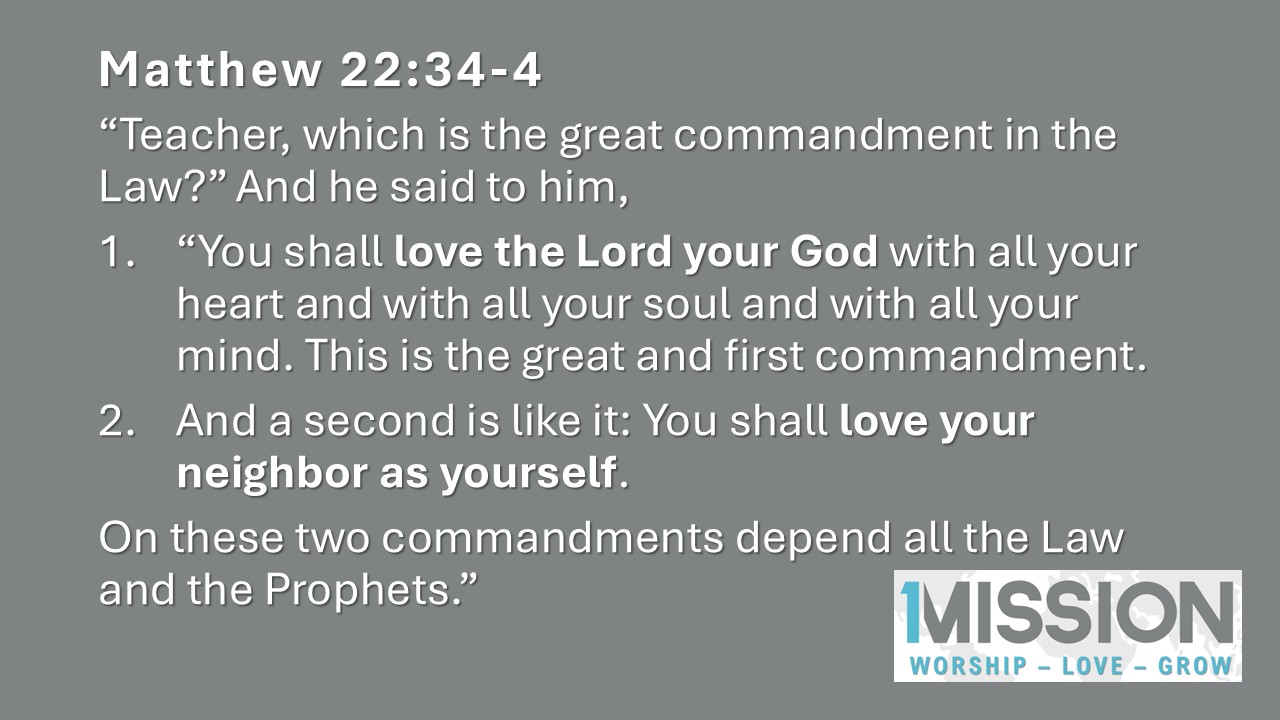
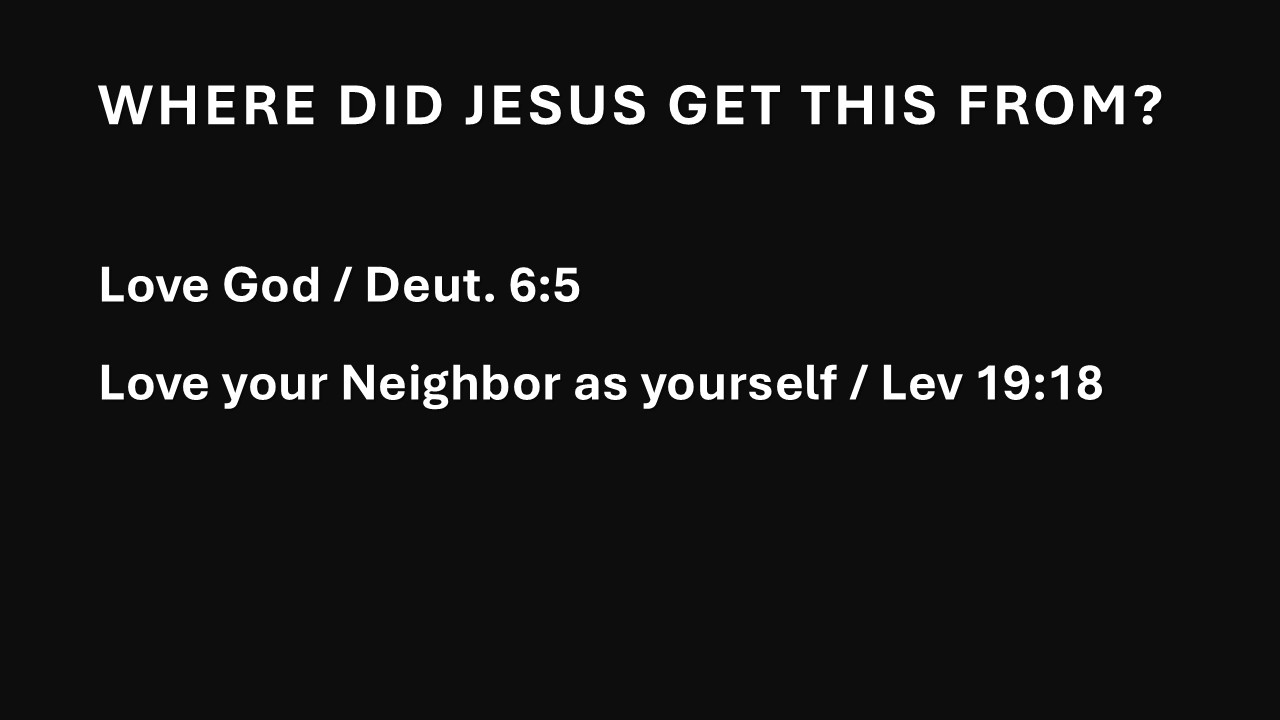
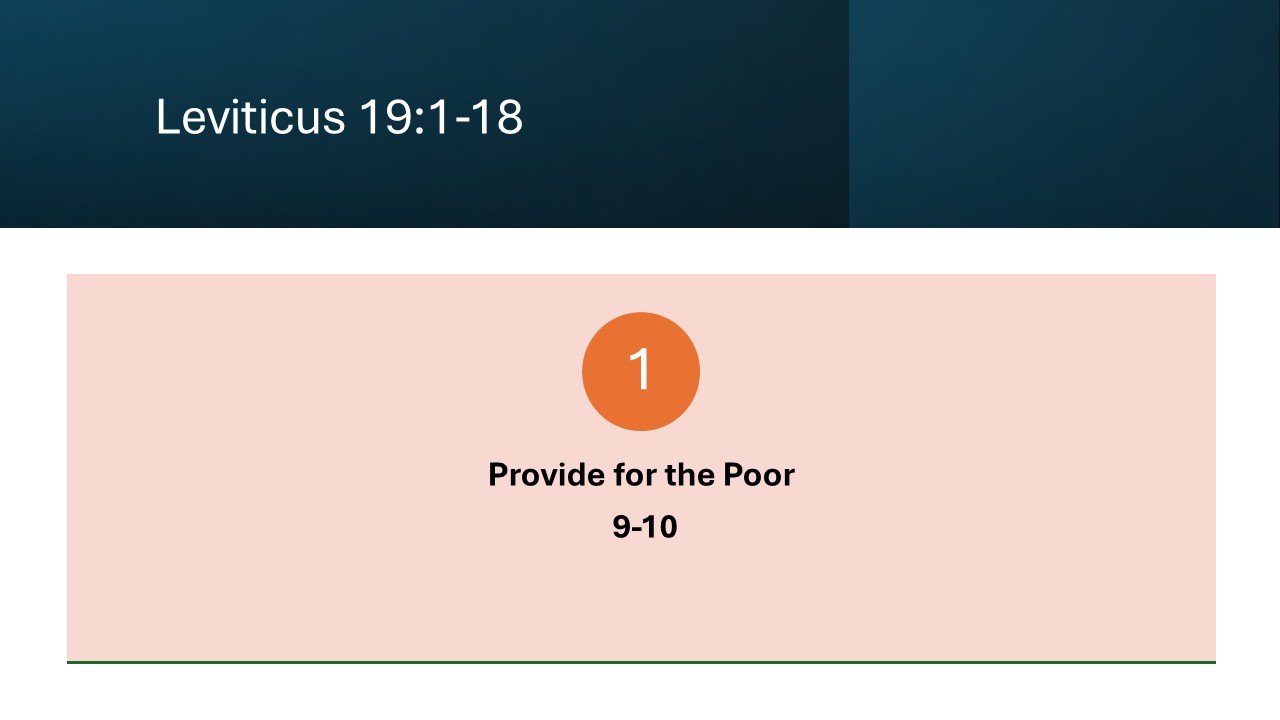
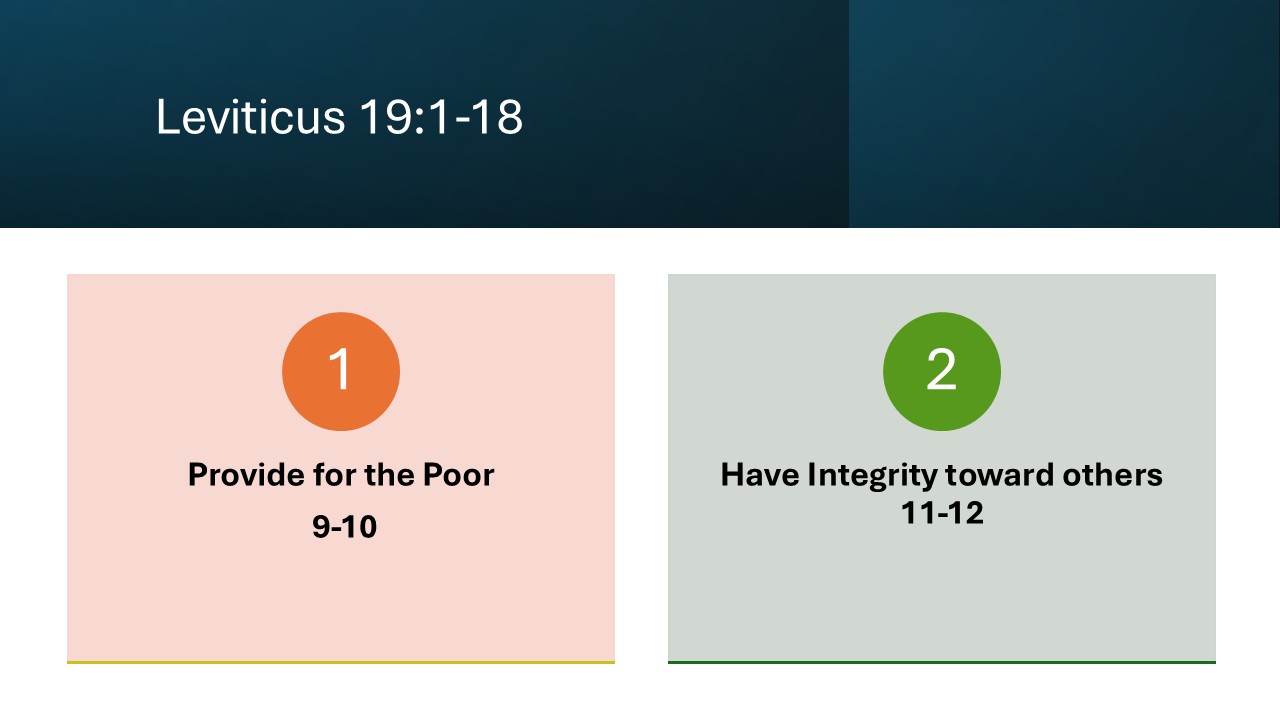
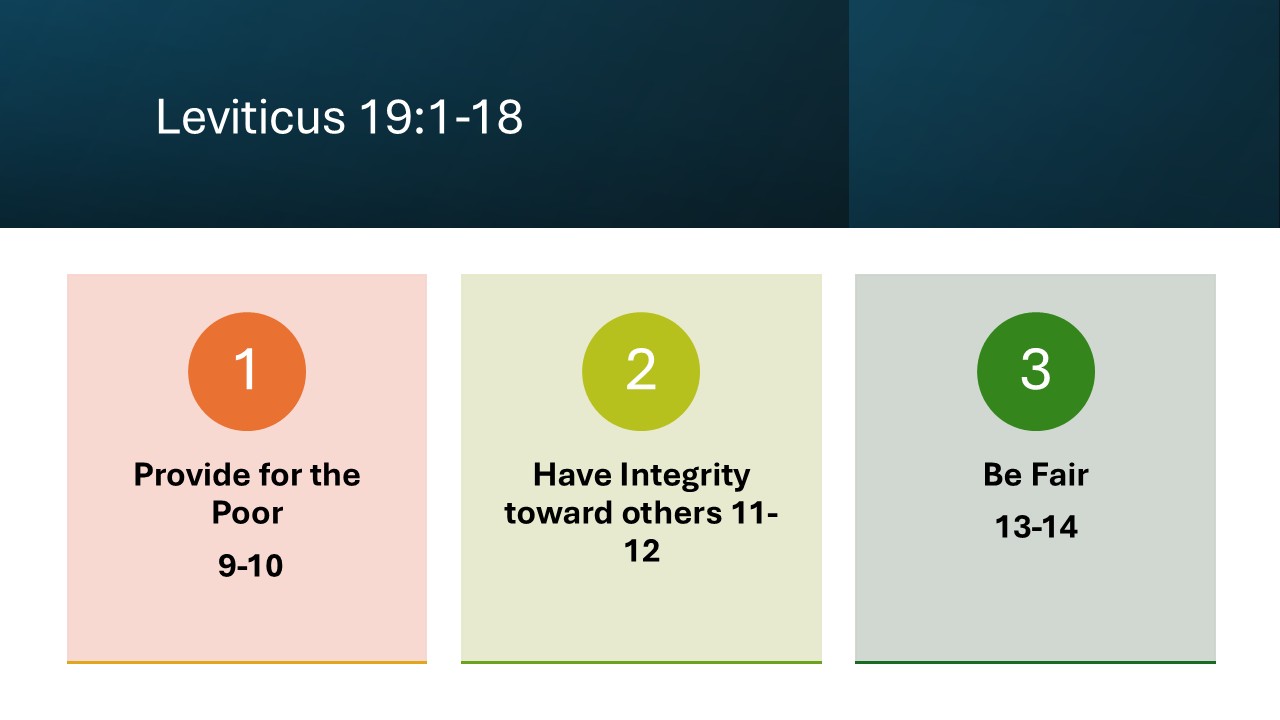
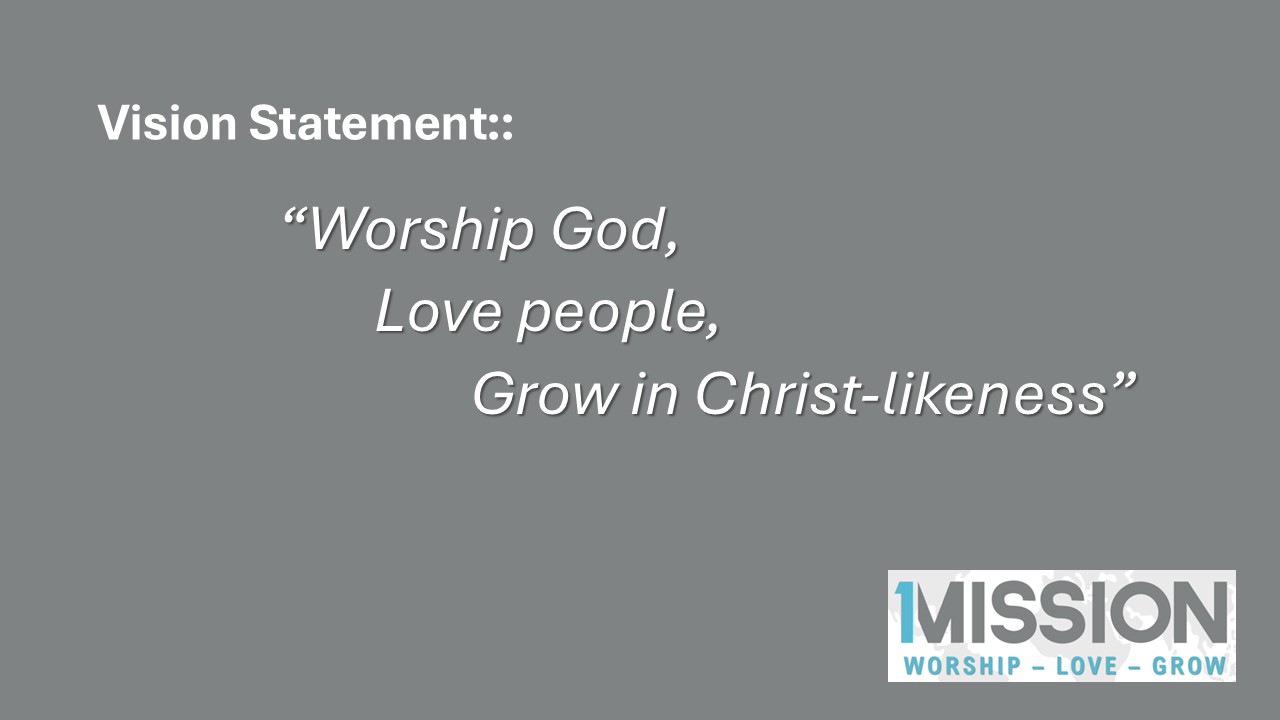
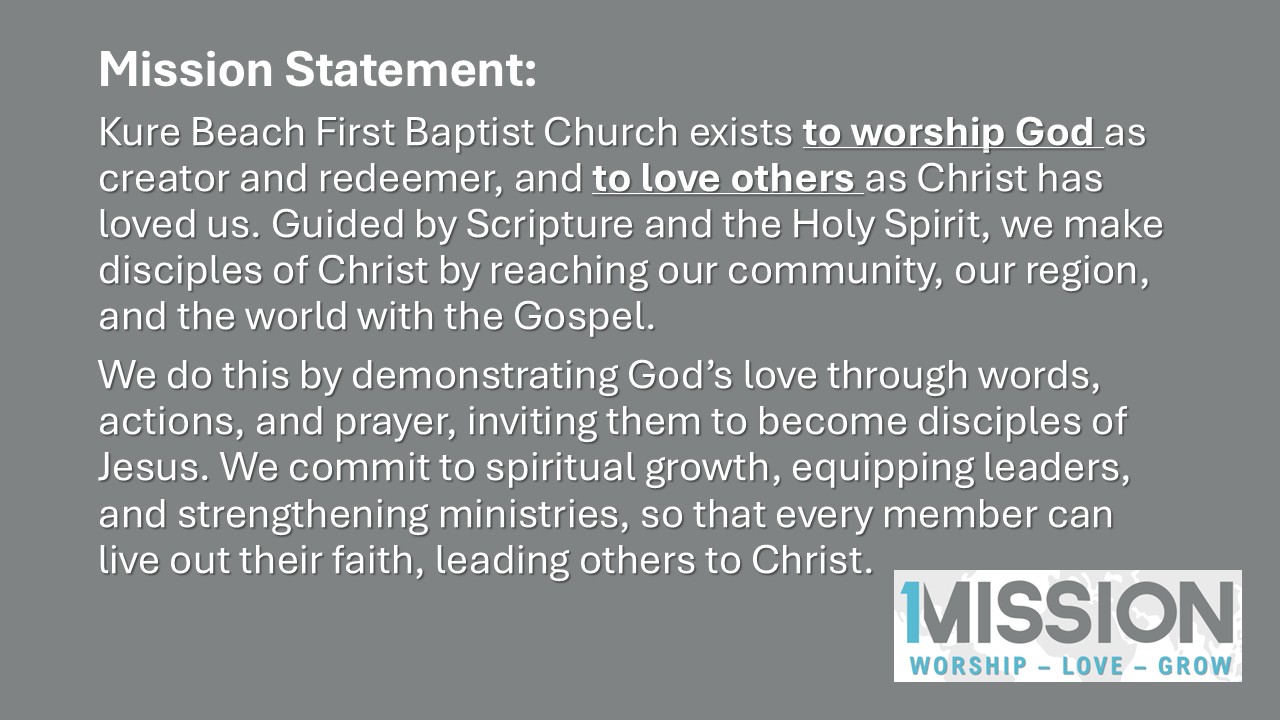
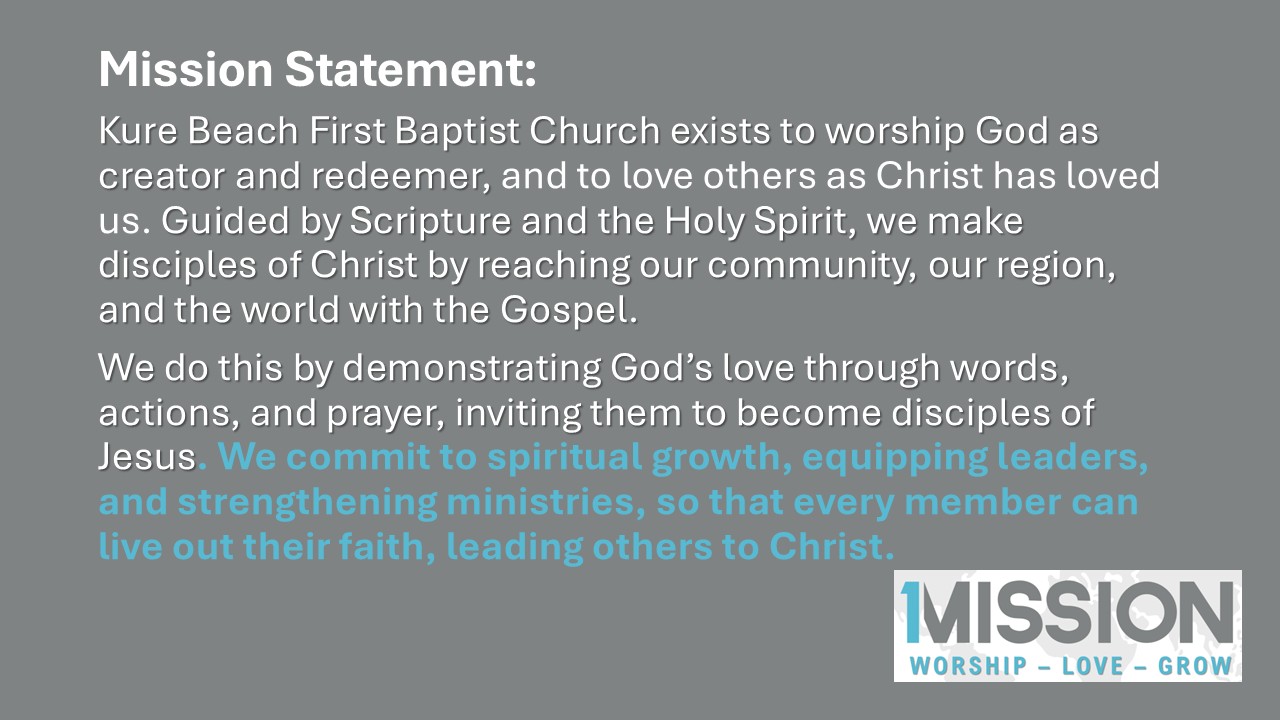
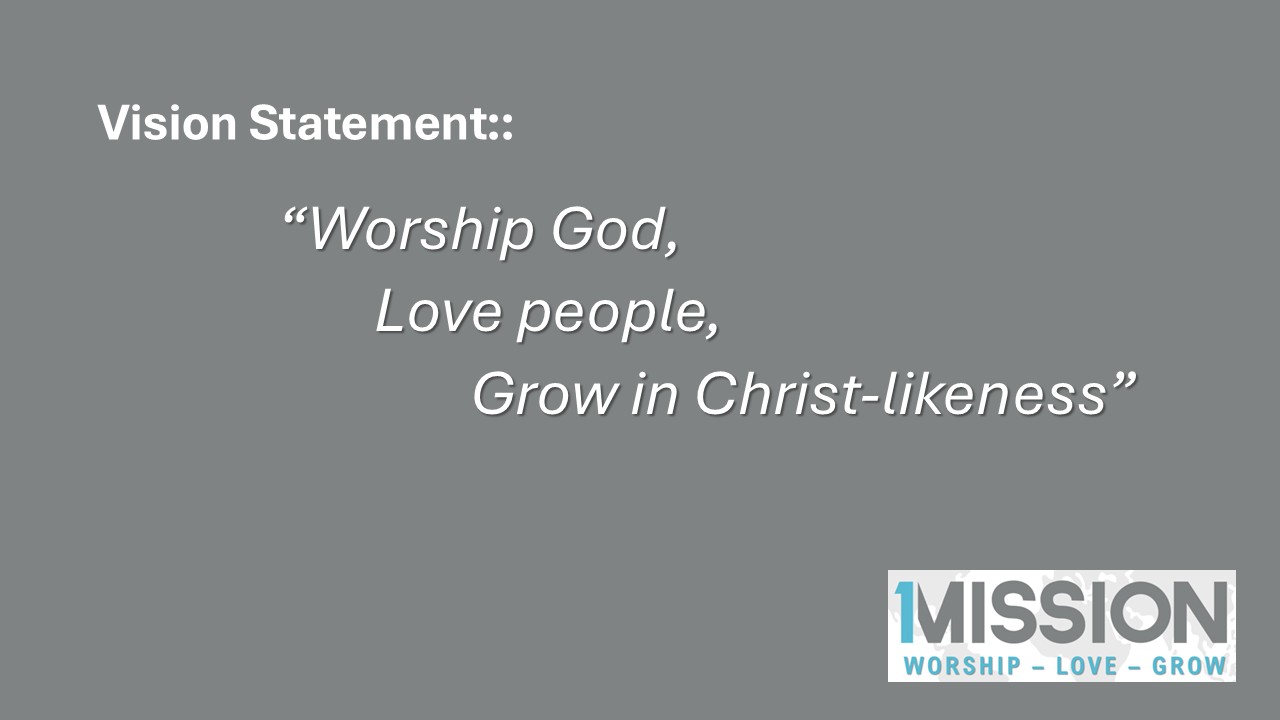
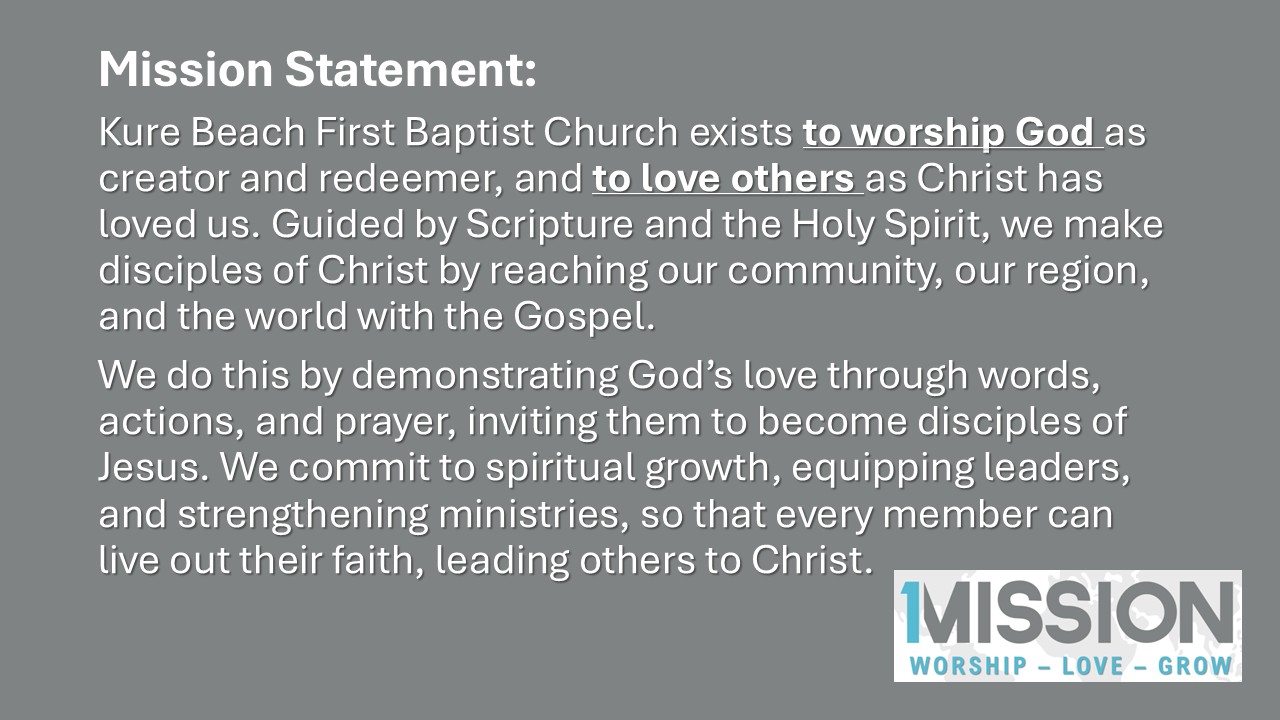
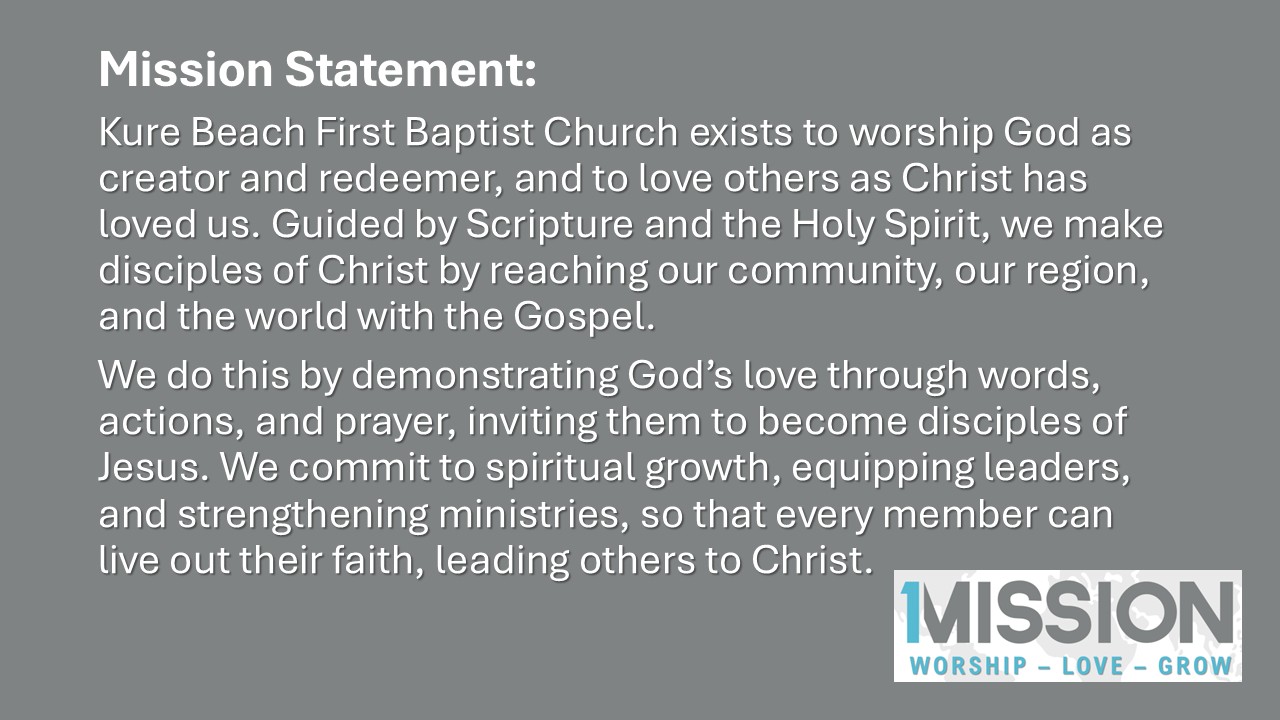
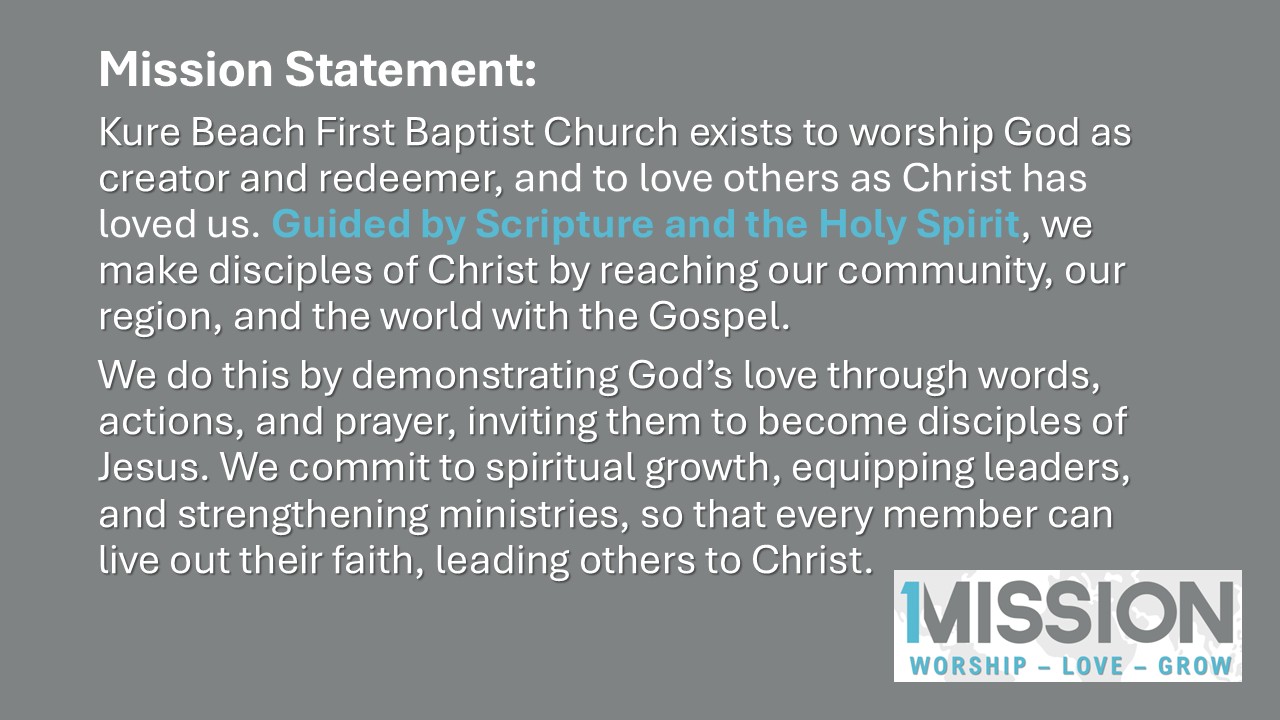
That same principle applies to the church. I am preaching five messages on the mission of our church, and let’s be clear about this: God is the mission giver. Our mission statements are founded on Scripture and the messages I’m preaching are birthed out of those missional passages. The mission of our church is a reflection of God as the mission giver. A Biblical mission makes the connection between what God has commanded us to do and the nature of God. It is not by accident that the number one characteristic of God in the entire Bible is love, and the command he gives the church is to love God (worship) and to love other people. Last week we looked at the priority we need to give to the worship of God and this Sunday we see how that should lead us to love other people in the same way God has loved us. When the church demonstrates love for each other and the world around us, we reflect the very nature of God, and it is the nature of God the lost people of the world need to encounter. Join me this Sunday for the second message in our 1Mission series.