January 11, 2026

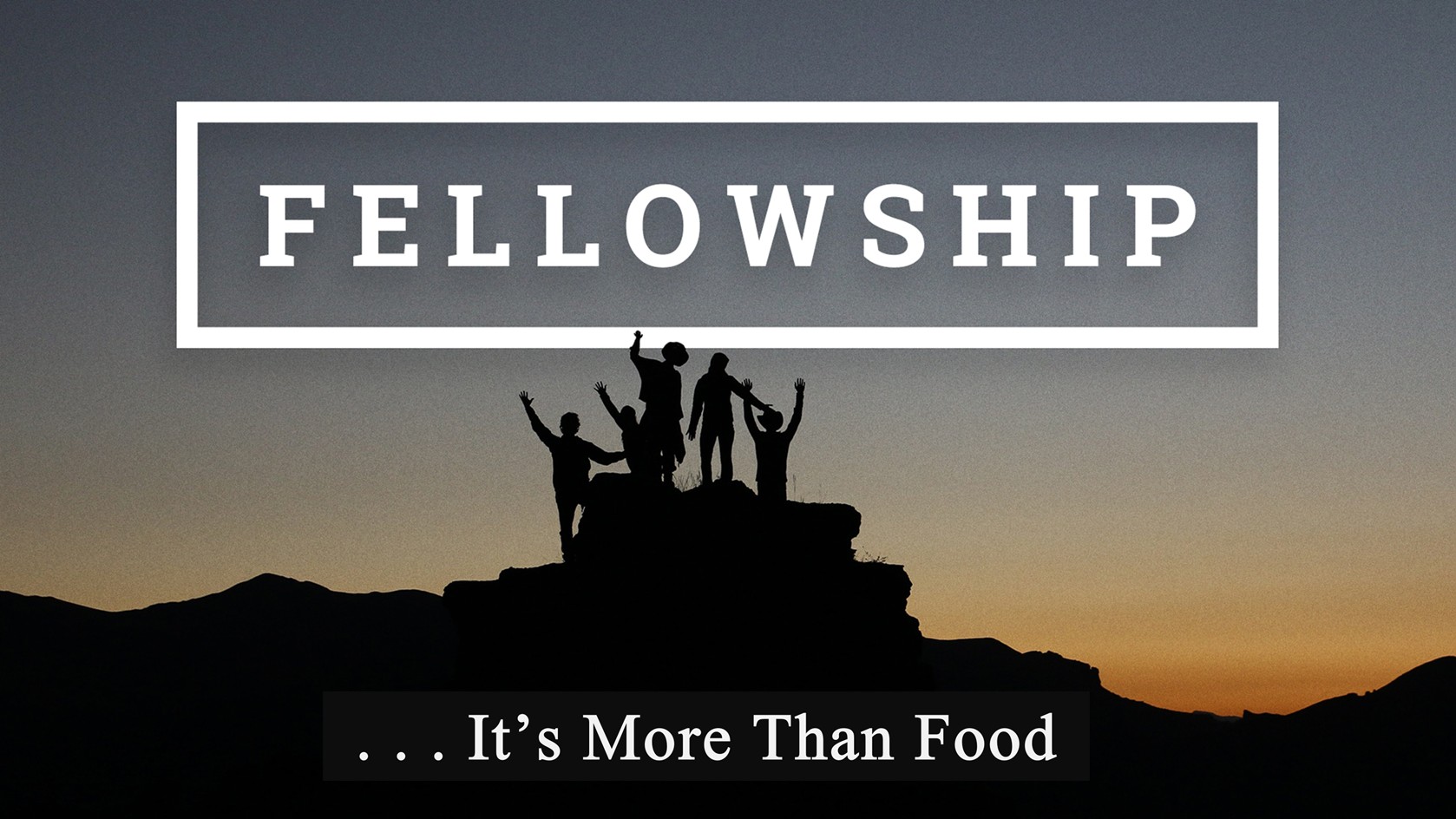
Fellowship is an often used word in the church; fellowship hall, fellowship meal, fellowship group, a time of fellowship. While the word fellowship has its origins in the Christian faith, it has bled over into secular society to describe any time people gather together and engage in relationship building dynamics. But how often have you heard a message on the doctrine of fellowship? That’s right, there is a doctrine of fellowship. I suspect many Christians, not to mention people not involved with a church, misunderstand what fellowship is.
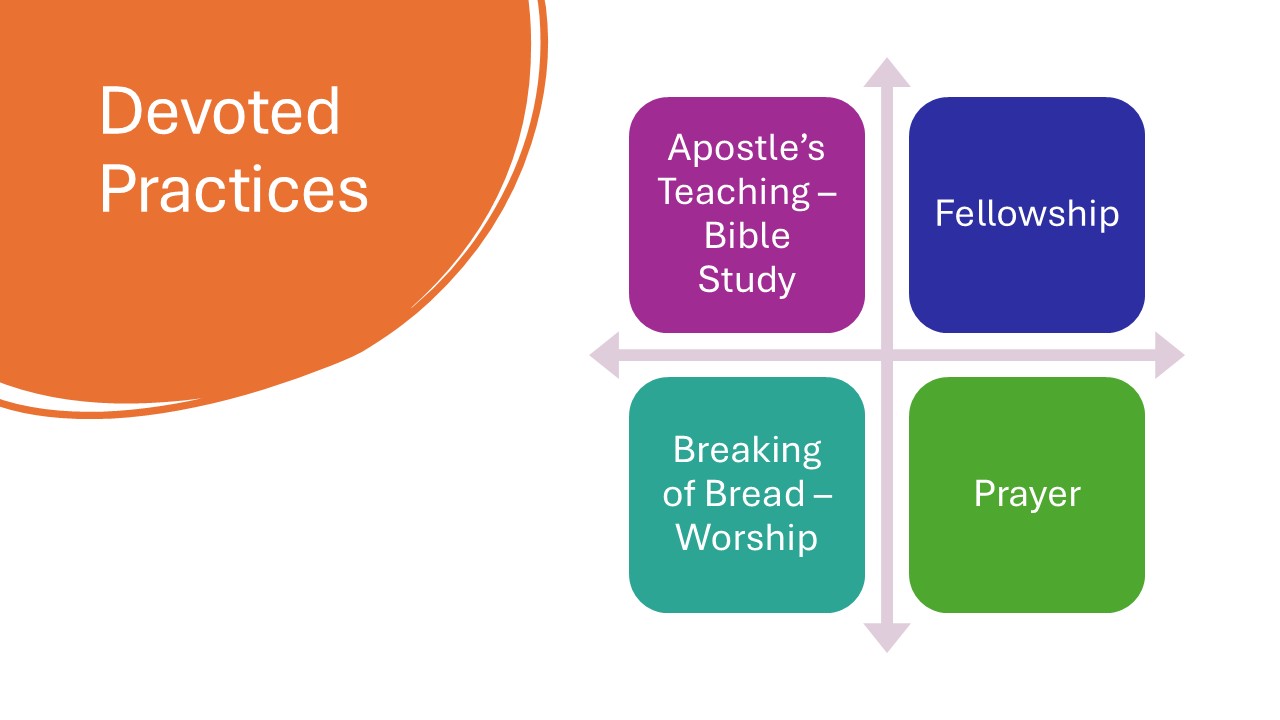
In the book of Acts we read about the activity of the early church and from that historical record we learn a lot about how a healthy church is to function. The early church had five basic activities they practiced and one of those five is fellowship. Fellowship is listed among things like prayer, Bible study and mission. According to Acts, fellowship is a full 20% of the activity of the church, and yet I fear many of us don’t adequately understand what biblical fellowship is. Join me this Sunday as we look at various passages at The Basis of Fellowship, The Priority of Fellowship and the Function of Fellowship. Then I will close with two practical ways you can engage in a deeper fellowship. Fellowship is more than just food.

January 4th, 2026

Happy New Year! I pray that 2026 will be your best year yet! I give thanks to God for each of you and am excited to see how God will work in each of our lives in this new year.
This Sunday we will share in the Communion of our Lord. Whether we want to admit it or not, we are religious people and can easily drift into doing things in the Christian life as an empty religious activity in place of why we should be doing it. Communion is an ordinance that we participate in that can definitely become an empty religious practice if we lose sight of why we share in communion. This Sunday we will look at what are likely the oldest words of the New Testament, an oral tradition that is recorded in 1 Corintians 11, which preserves the practice of communion for the church from the very beginnings of the church. In this familiar passage we will see a stern warning from the Apostle Paul, followed by clear directives of why and how we should participate in communion.
Communion serves as a reset for us in the Christian journey. Join us for this first Sunday of 2026 to make a reset in our spiritual lives that will invite God to do something great in our lives this year.

December 28th, 2025

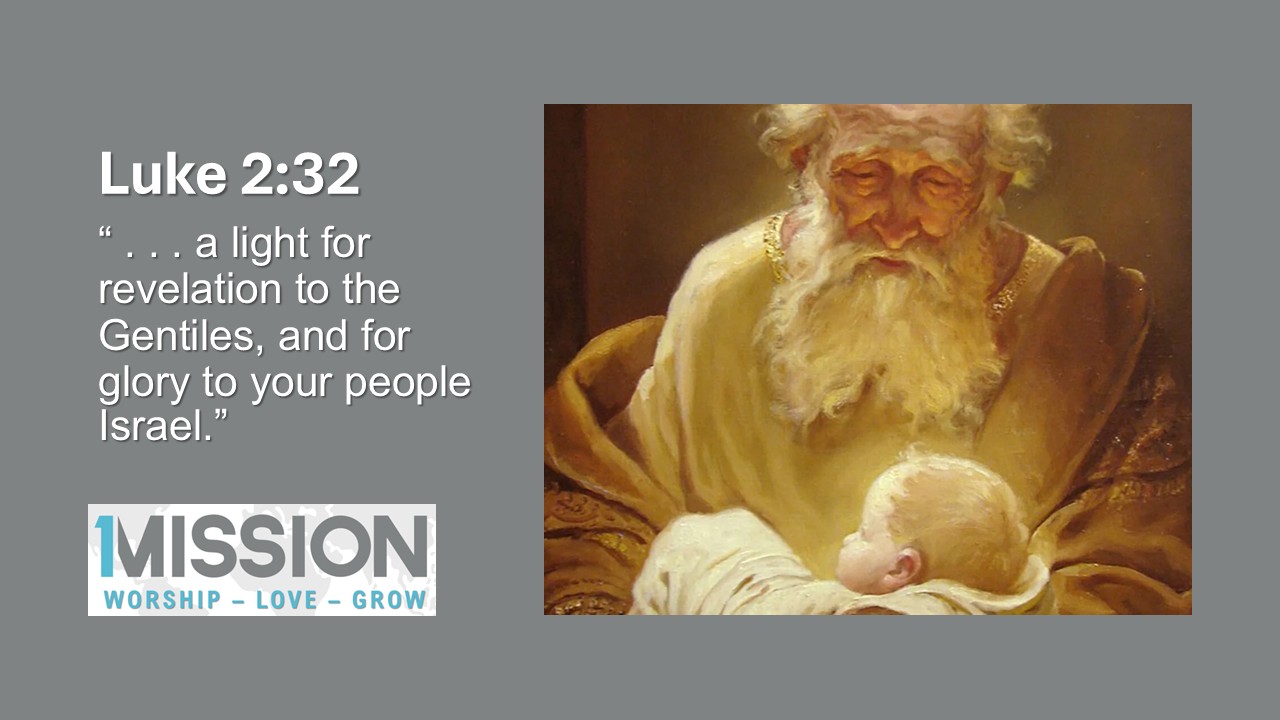
I hope you had a wonderful Christmas Day in whatever way you have celebrated the birth of our Savior. While Christmas is over with, on the Church Calendar, Epiphany is the conclusion to the season of Advent and Christmas with a reflection on the visit of the wisemen to the Holy Family. Epiphany is important because it recognizes that the Advent of Christ was for people of all races and cultures, not just for the people of Israel. Epiphany tells us that Christ came for us and is our savior. It’s appropriate that we celebrate Epiphany on the last Sunday of the year as it definitely points us to a new beginning in life because of Christ.
Epiphany should also be a reminder to us that Christ came for all people groups and cultures around the world. Throughout the history of the church, Christians, local churches and Christian denominations can begin to believe that the Advent of Jesus is best understood in their own culture and traditions. We tend to believe that other cultures only muddy the waters of why Jesus came and for those cultures to really get who Jesus is they should first become like us, adopting our culture and traditions. Epiphany demonstrates that is not the case. What that means for us as Christians, as local churches and as denominations, is that we will better understand the full implications of the Advent of Jesus when we see it in light of cultural diversity. I have found that every time I encounter Christianity in a new culture, I understand the Gospel in a fuller way. As you come to Church this Sunday will you pray, “God, please open my eyes to understanding the Advent of Christ as a Gift for all people groups and cultures.” I pray you will make a new beginning just like those first wisemen did in the birth narrative.

December 21st, 2025

During the age of enlightenment, the common belief was that the world was becoming more peaceful and would continue to do so until humankind had reached a utopian kind of peace. They believed the world would gradually become more civil and that there would be no need for armies, that justice would be equal for all and no human need would be unmet. Then came the Bolshevik Revolution, followed by WWI, the Great Depression and then WWII. By the midpoint of the 20th Century very few people were holding on to the notion of worldwide peace. Today we live in a world with 2 major wars, mass migrations because of geo-political unrest, a renewed uneasiness about the future and a skewed justice for the most vulnerable in our world. Will there ever be Peace on Earth?

One of the main themes of Advent is the promise of peace – so why is there no peace on earth? That is a fair question. This Sunday we will see from Scripture how that promise of world peace will come to pass in the future. We will also see how that promise of eternal peace is one the individual can embrace personally that will give them peace in spite of the unpeaceful world we live in. And you guessed it – the Advent of Jesus is the key to the fulfilment of both kinds of peace. Join me this Sunday as we consider the Gift of Peace that comes with the Advent of Christ.

Quote from my message this Sunday – “If you want eternal Peace in your life, focus more on the next life not the next election.”

December 14th, 2025

The joyous Christian – some people think that to be a joyous Christian you should have no problems. Do you remember the song “Hakuna Matata” from the Lion King movie? Our oldest daughter Katie was about 8 years old when that movie came out so trust me – I remember that song very well. Some of the main lyrics define the phrase Hakuna Matata: “It means no worries, for the rest of your days . . . It’s our problem free philosophy.” It seems that some people adopt that same philosophy about the Advent of Jesus: that because Jesus came, I should have no more problems and therefore I have joy. But the point of Advent is that we can experience Joy no matter the circumstances.
The shepherds were the first people to hear the good news of Jesus’ birth. It was described to them as news of “Great Joy.” Shepherds were not typically joyful people in the ancient near east: they were isolated from others and because of their occupation didn’t get included in many social events. However, the shepherds were invited to share in the joy of Christ’s birth; and you are as well. Will you choose the gift of joy this Advent? Join me for the third Sunday of Advent –

December 7th, 2025

I will only be preaching at BC this Sunday. Campus Church will be devoted to the Kids Christmas Program.

I know that Valentine’s Day is the annual holiday devoted to love, but have you ever noticed how much love is emphasized during the Christmas season? Love is definitely a word prominently displayed on Christmas decorations. It is one of our Advent Themes and it is the subject of countless Hallmark Christmas Movies. Not to take anything away from Valentine’s Day, but Christmas is the season of love – God’s love to us.
This Sunday we will look into the non-traditional Christmas passage of 1 John 4 where the doctrine of love is on full display. In our text we will clearly see the Advent of Jesus as an act of love from God to us. The interesting thing we will see in this passage is that the love we receive from God is designed to be shared through us to others. If we want to live with the assurance that we have received the love of God, we need to be willing to be a conduit of His love to others . . . in the same way God showed love to us. Join me this Sunday as we Share in the Gift of God’s Love.

Find the Gift of HOPE

Sunday is the start of Advent: the waiting for the arrival of the Christ child! This Advent our theme this year is The Gifts of Christmas, where we will focus each Sunday on the biblical concepts of Hope, Love, Joy, Peace and Christ. Gifts are found, shared, chosen, embraced and experienced: that is what we will do with these Gifts, starting with hope.

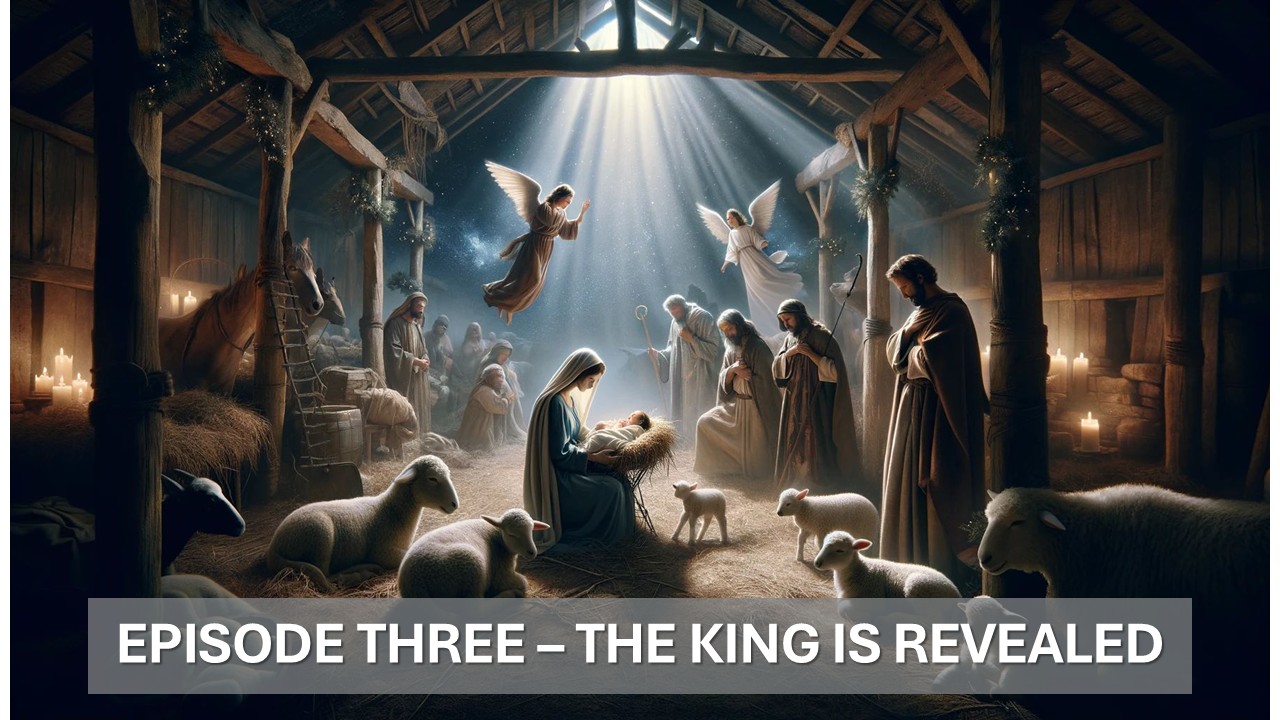
Find the Gift of HOPE! Advent and the birth of Jesus happens at the darkest time of the year, helping to create a backdrop of spiritual darkness that needs to be lifted. This Sunday we will reflect on the circumstances in which Jesus was born: it was a dark time. The people of Israel were searching for a sign that would give them hope. In the Advent of Jesus that hope was announced, first to Mary, then to the shepherds. They found the gift of hope in Jesus.

People today are searching for a sign of hope as well. They may not be looking to scripture or even something religious, but they are nonetheless searching for hope. You may be one of those people. The Advent season affords us the opportunity to look deeply into the significance of the birth of Jesus. Advent invites us all to find not only hope in Jesus, but to also understand that Jesus came to fulfill the aspirations of our hopes. Jesus came, not to be served like other rulers, but to serve others. He came not to condemn us for our sins but to save us from our sins. Jesus came not to just make life more tolerable, but to give us a new life with eternal dimensions. That is the kind of hope we are considering this Sunday as we explore The Gifts of Christmas! Join us this Sunday as we Find the Gift of HOPE!

Always Thankful

This Sunday Elder Charles Mayhew will be preaching –

Paul had a great love for the Thessalonian Christians. They faced many trials individually and as a body. Paul encouraged them with 3 commands to live out in their lives. Rejoice, pray and give thanks. How is that possible? Join us as we look into scripture at how Paul encouraged the Thessalonian believers. How can we have a thankful heart in the midst of difficult times?

Baptism

How did our denomination get the name Baptist? As you might guess it has a lot to do with the practice of baptism. The Massachusetts Puritans came to the New World in search of religious freedom. They were able to practice the kind of religion they wanted, but interestingly they restricted other religions and expressions of Christianity. In 1638, when a young minister named Roger Williams became convicted that biblical baptism was to be by full immersion, he was directed by the Puritan Church leaders to practice that form of baptism outside of their jurisdiction in what we now know as Providence Rhode Island. I believe this to be the beginning of the freedom of religion in America and what has been such a crucial part in the formation of America.
Baptism is a lot more than just getting wet. Baptism is the entrance into the church and comes with deep spiritual as well as theological importance. In Romans 6 St. Paul does a masterful job of connecting spiritual baptism with water baptism and the significance they have in the believer’s life. If you’ve been to a baptism, it’s not hard to see how Baptism by immersion is a very visual demonstration of the Death, Burrial and Resurrection of Jesus Christ. Baptism is also a very public testimony of the transforming Gospel in an individuals life. Join me this Sunday as we that a deep dive (pardon the pun) in to the doctrine and practice of Baptism.

Ya Gotta Love this Book

In this postmodern, post-Christian, western, English speaking world we live in, we use the word “love” way too casually. We use it to describe how we feel about the pizza we are eating and in the same breath will tell our spouse – I love you. I hope we are not putting the love of pizza on the same level as the love of our spouses. How we use the word love requires an understanding of the context within which it is used because we tend to infer much of the meaning.

When the word love is used in the Hebrew or Greek languages the Bible was originally written in, love was not used casually. Love was used to express a choice of commitment and devotion to the object of that love. So, in Psalm 119:97 when the Psalmist proclaims “Oh how I love your law!”, he was not comparing scripture to pizza. The Psalmist was declaring his deep commitment to and admiration for the Word of God. The Psalms are the Jewish hymnbook of the Old Testament, and like many songs written today, they express strong emotion such as love. Most of you reading this blog are not song writers and I would guess you don’t often express strong feelings of love like they do in a song. And yet we are called to follow the teaching and pattern that we see in Scripture which begs the question, “How do you fall in love with the Bible?”. Psalm 119, the longest chapter in the Bible, provides the answer for us. Sunday we will look at part of Psalm 119, then in your community groups you will tackle another part of the Psalm, helping us map out a path to falling in love with the Bible. And yes, I’ll say it – Ya Gotta Love this Book! You have to love the Bible if you are ever going to grow from it. Join me this Sunday as we take a bold step toward loving this book more deeply.