March 1, 2026

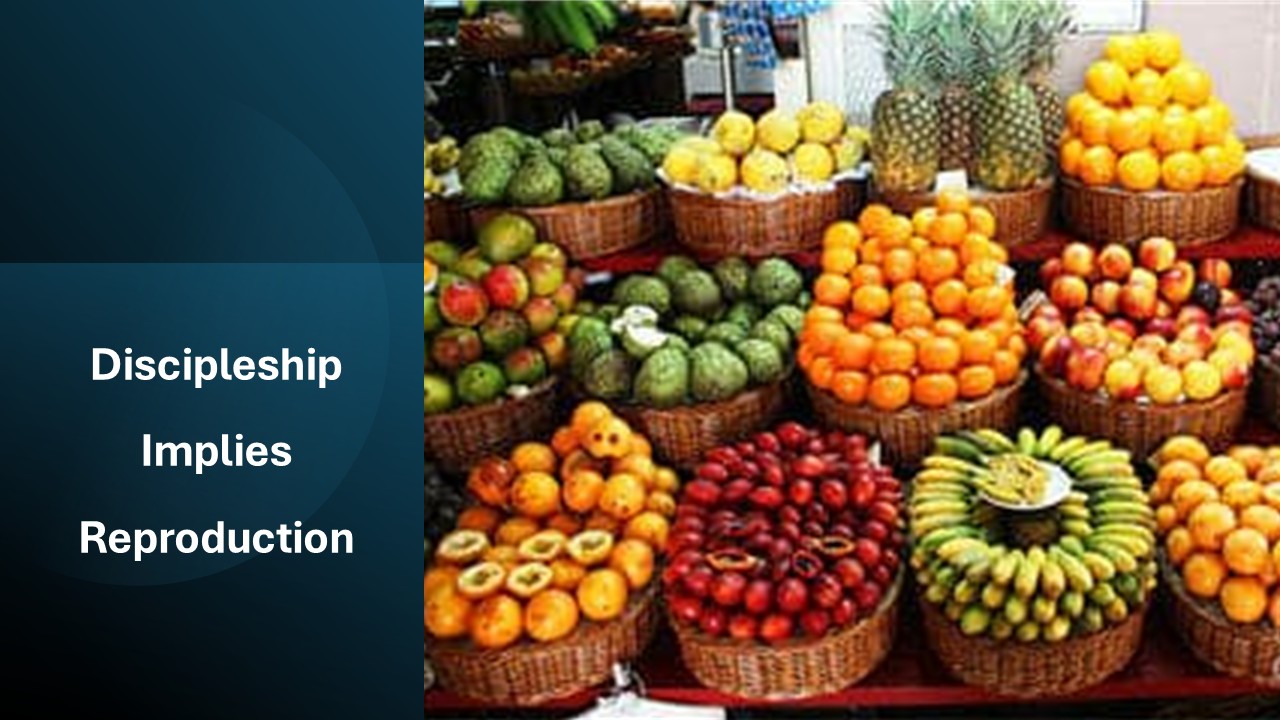
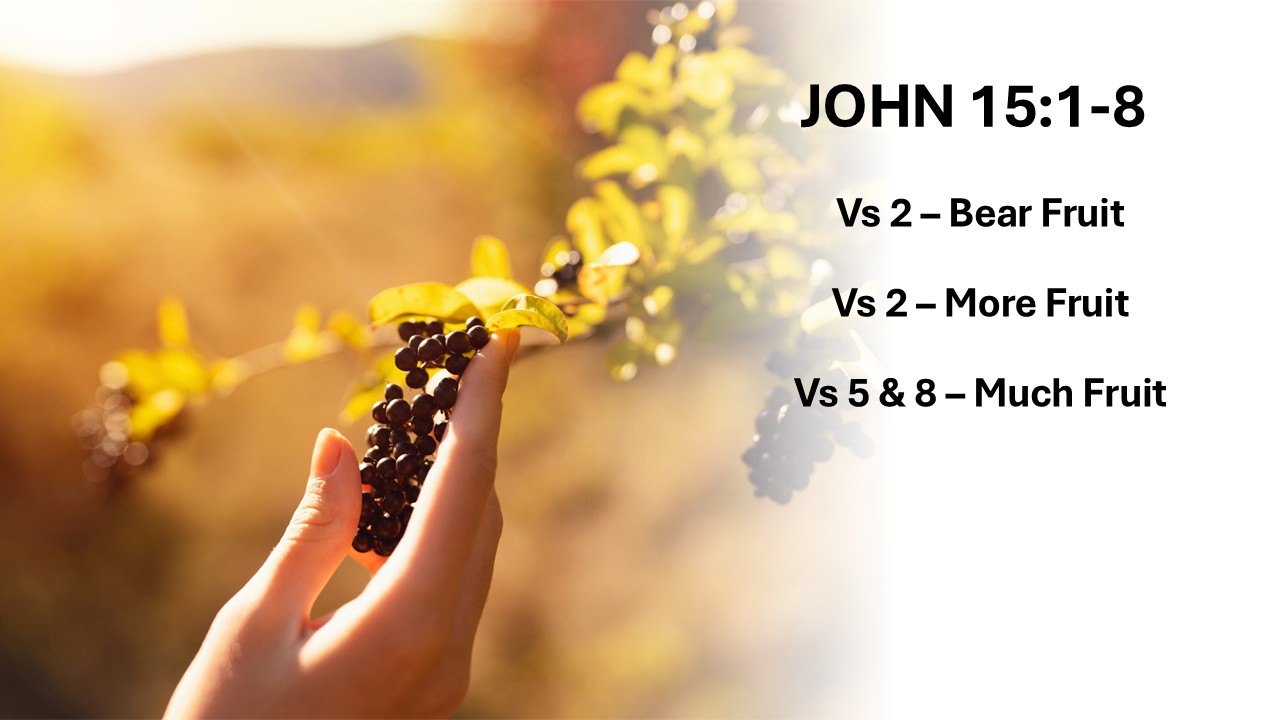
There is no question that when we look at the created world, all organisms and organic life are designed for reproduction. Plants have very creative ways to spread their seeds so new plants are planted, producing fruit, and repeating the cycle. Organisms reproduce after their kind; with the expectation the offspring will themselves reproduce someday. Without reproduction, life would cease to exist. 

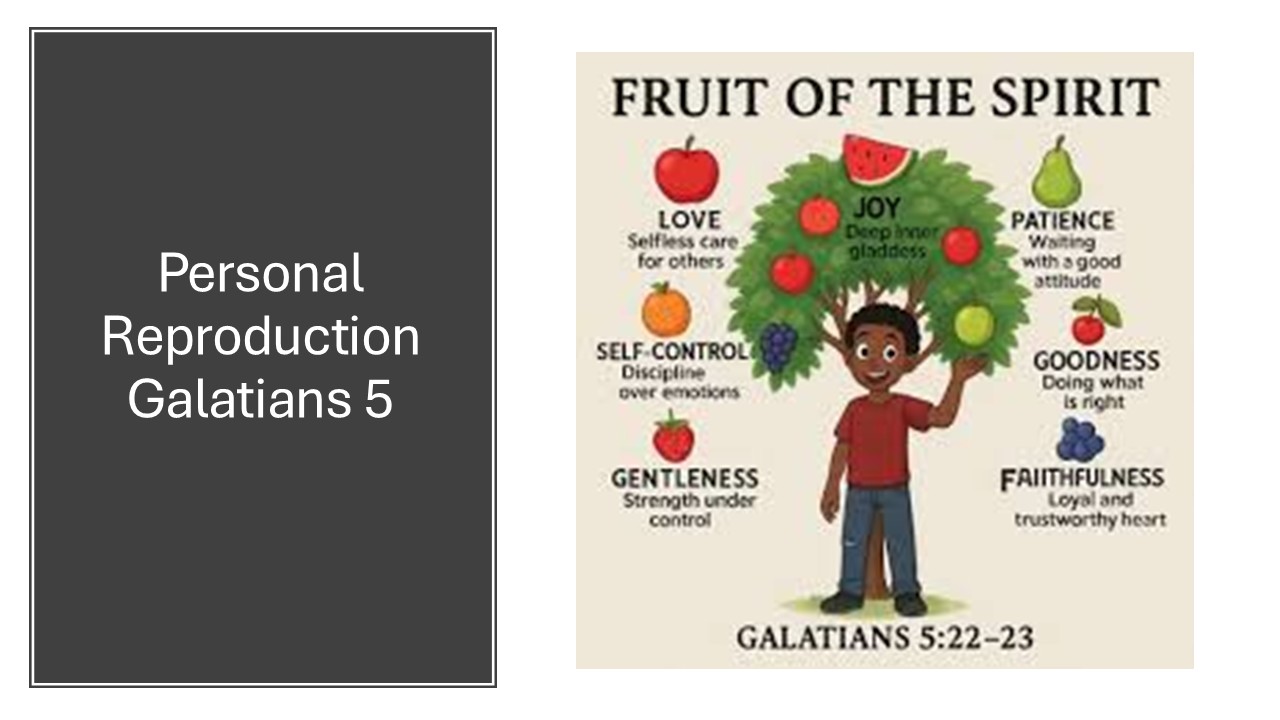
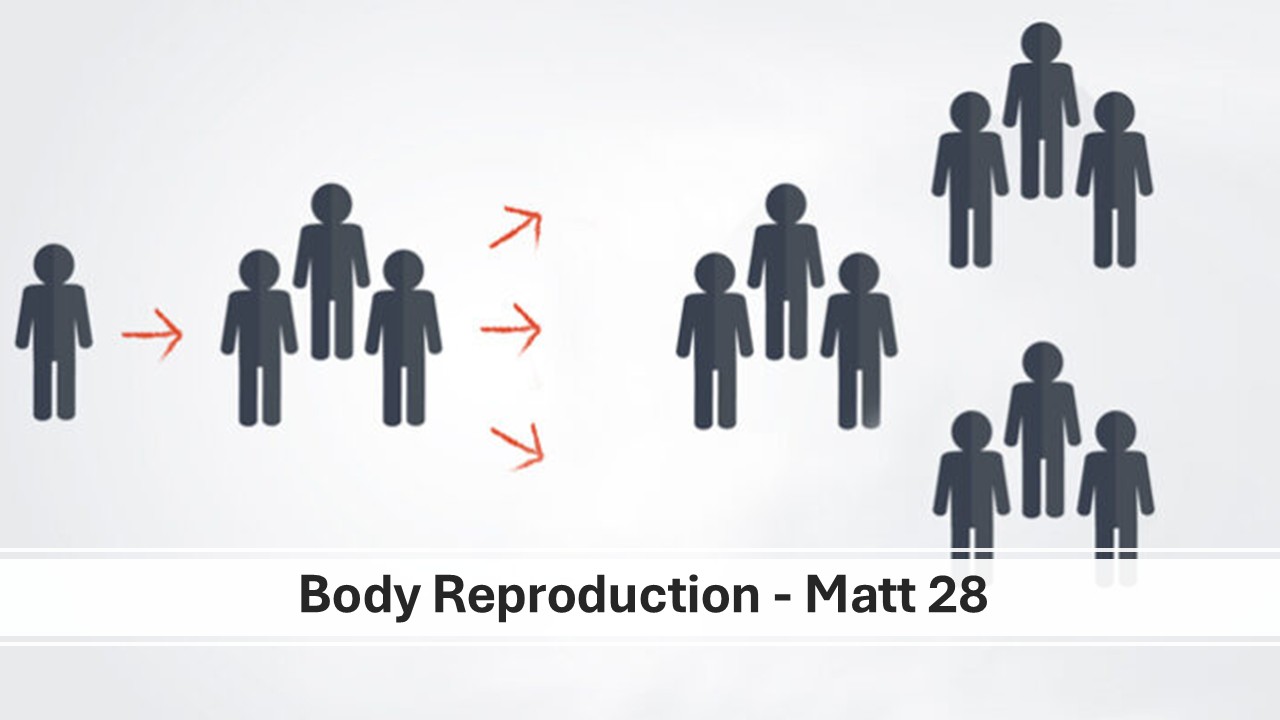
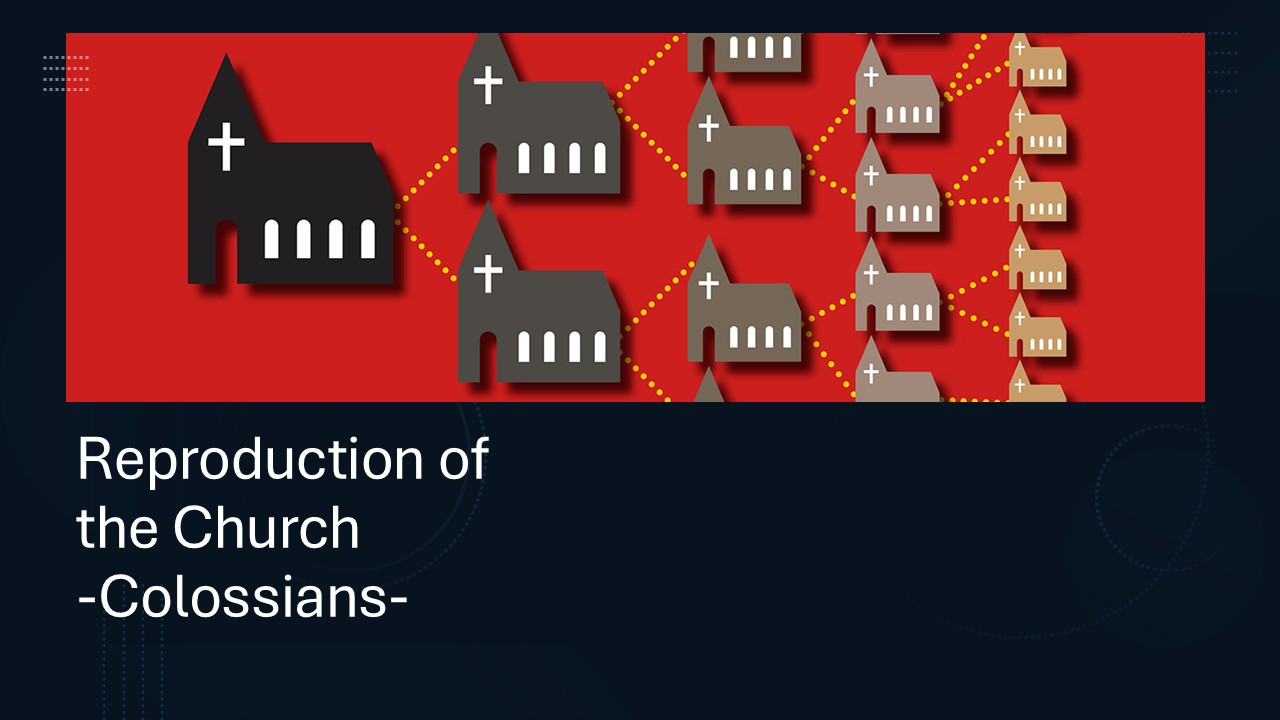
Scripture often uses things from the organic world to illustrate spiritual truth. In the OT Israel is compared to a vine and in the NT Jesus uses agricultural references many times in his teaching. Just as there is an understanding that life in the natural realm is designed to reproduce, we should also understand that life in the spiritual realm is designed to reproduce. That reproduction begins with the subtle changes we all hope to see in our spiritual growth of gradually reproducing the character of Christ in our lives. When a person comes to faith in Christ, we think of that as the reproduction of the Christian. The concept of spiritual reproduction continues to expand beyond personal reproduction to the reproduction of leaders, ministries, and churches. For us as Christians the word disciple means to follow Christ and become more like him. Over the course of Jesus’ earthly ministry he invested in a group of disciples that followed him so they could be like him. Those disciples went on to reproduce what Christ had produced in them in new disciples, new ministries, and new churches. We are called to continue that line of reproduction.

Join me this Sunday as we conclude our 1MISSION series with a focus on the reproductive nature of the mission God calls us to.
February 22, 2026

The task of global missions is a daunting task that any individual would feel overwhelmed with. It is equally daunting for an individual church and denomination. We must remember that the church is an organism that grows organically, by supernatural means. I can’t explain how the work of mission is completely accomplished because there is always the God factor that is beyond our knowledge. However, there are some things the church must do to maintain health to be effective in the mission God has given us.
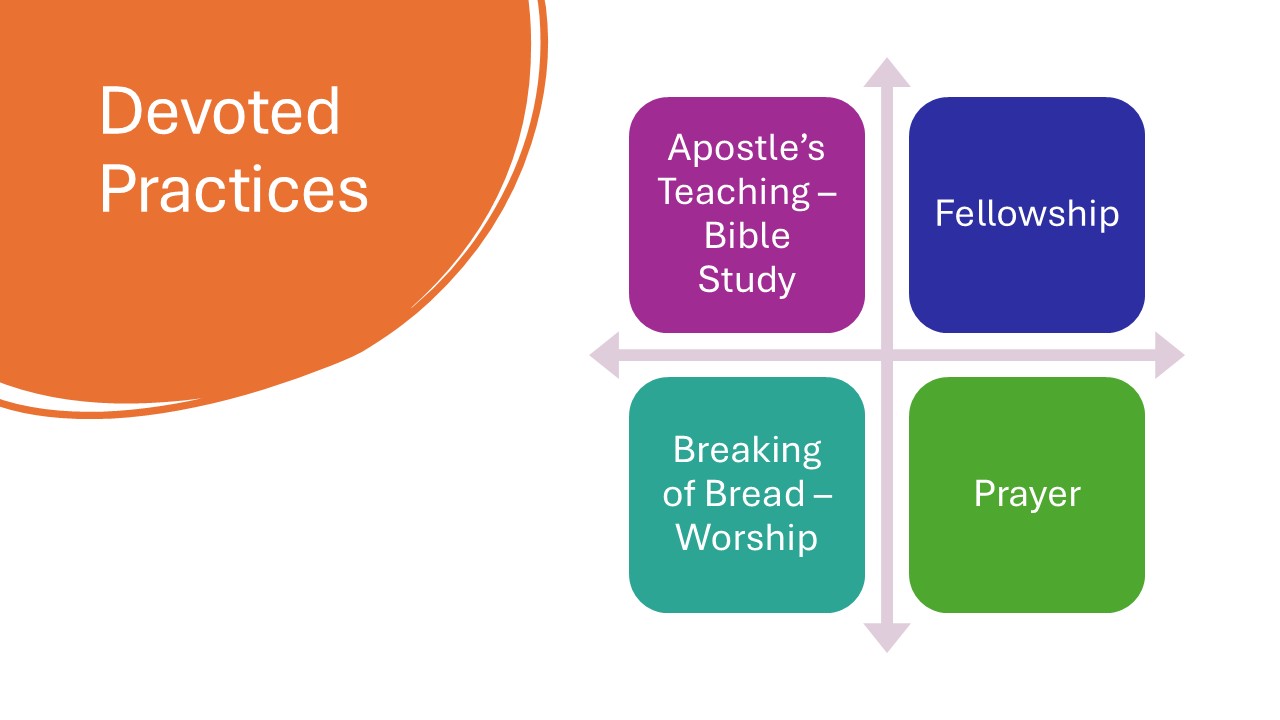
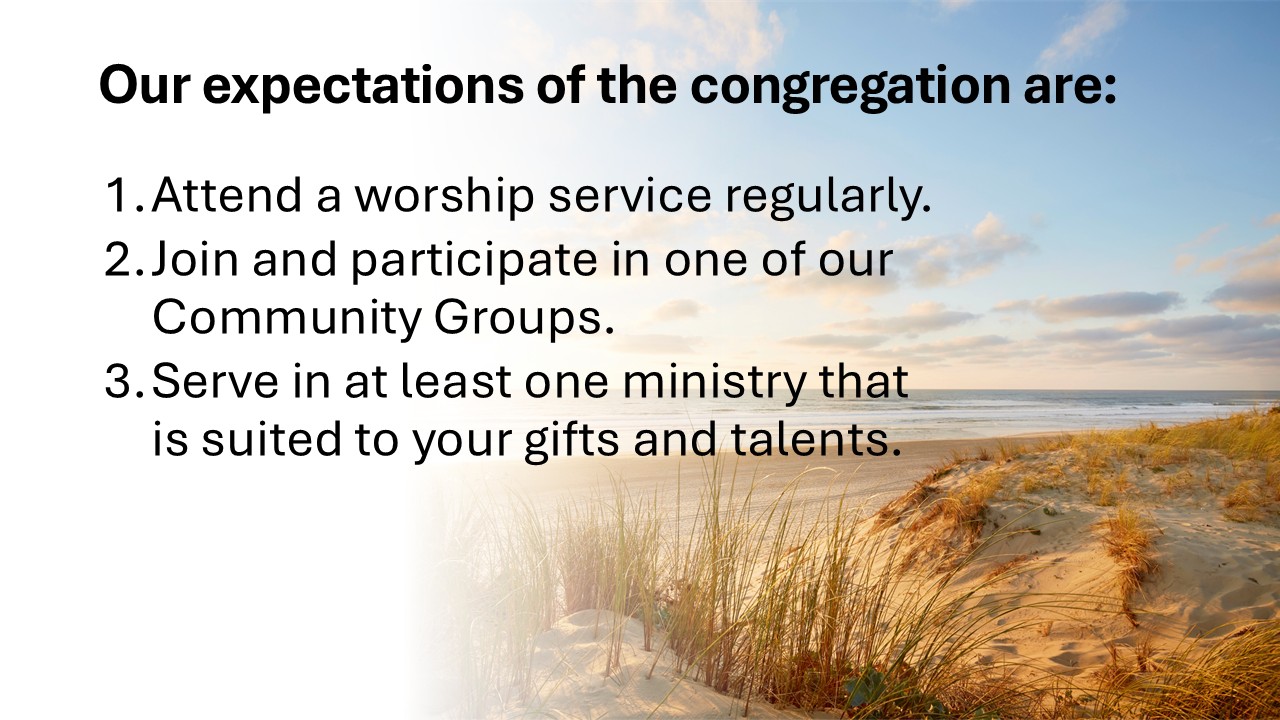
In Act 2, we read about the very first few days the church was in existence. We look at what the early church did in those days as the road map of what the church today should be doing. The early church shared certain practices as the Body of Christ that helped keep them healthy. They also made a commitment to the local church by joining whole church gatherings as well as smaller, more intimate gatherings in people’s homes. That rhythm kept the church healthy so they could be effective in mission to other people and people groups. For us as a church, the command to “Make disciples” means to first lead people to faith in Christ, then continue to help those disciples grow in that discipleship, become more like Christ as they mature and grow so they can effectively witness to others about their faith in Christ.
When the church commits to one another in the rhythms of the Spiritual life, the mission of God becomes sustainable. The mission is too big for any one person, church or denomination, but when we work as a team the mission can be done.

February 15th, 2026

I was just 10 years old when the first Star Wars movie came out. I was hooked right away on the story of other civilizations in faraway galaxies, not to mention one of the greatest depictions of the battle between good and evil in recent times. A few years later there was the first sequel, and then a third movie after that, all of which were extremely popular. Then a generation later they released 3 more new Star Wars movies that were pre-quells (set before) to the original movie. Then came another three movies that continue the story after the original three. I know, the timeline is very confusing. And . . . in addition to that, the Star Wars franchise has also produced other movies and shows that are not part of the main story line, but provide backstory for the main characters and story line. In total there are 9 major movies and several small movies or shows that help to tell this one epic story we call Star Wars.

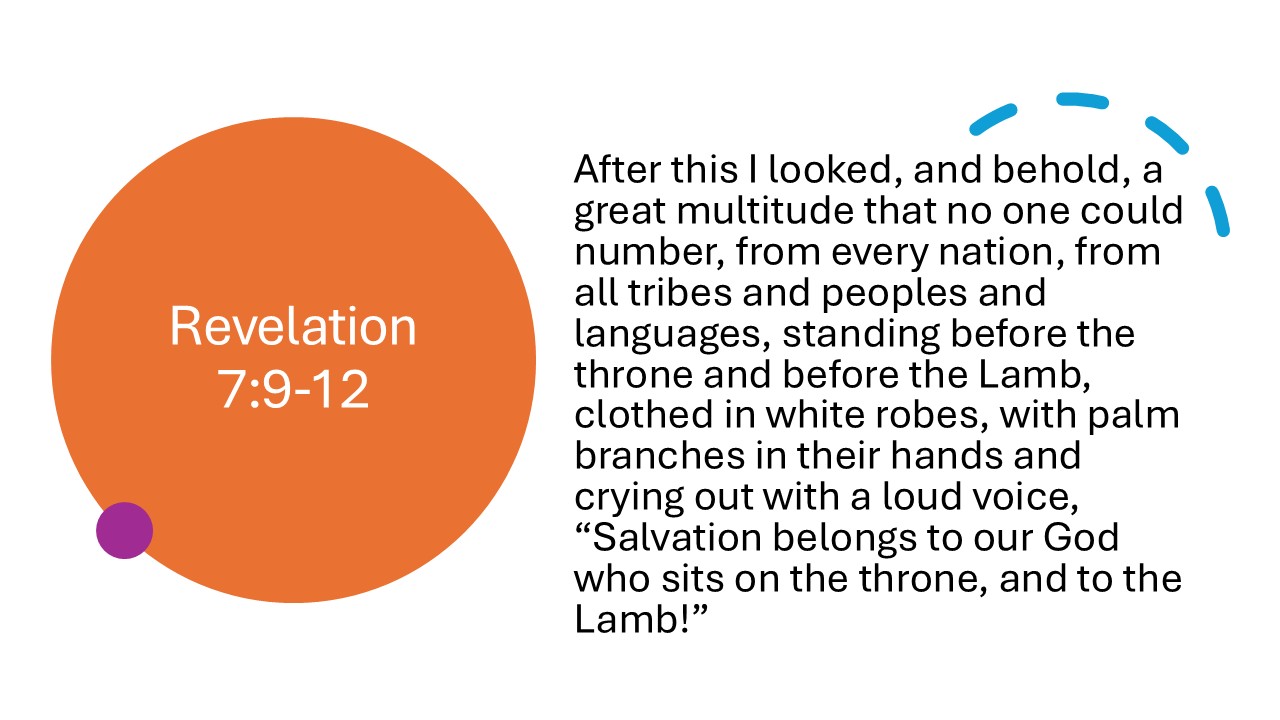
The mission of God is a lot like an epic story: there are some major episodes that carry the main story line with many other side stories that fill in the back story, so the one main story has a greater meaning for us. Many people think the concept of mission is just a New Testament development, but the mission of God is something that is almost as old as the origins of man, making for a captivating epic story. This Sunday we are considering the very origin of the call to mission, which will help us to understand both the focus and broader scope of the church’s mission. From its very beginning the 1Mission of God is the redemption of the people and nations of the earth. The amazing thing about this epic story is that it is still being written and there is a place for you and for our church in the recording of this story. Join me this Sunday as we seek to find our place in the epic story of God’s mission.

February 8, 2026

A few years ago, at the Iron Sharpens Iron Conference I had the opportunity to hear Retired General William Boykin. General Boykin was an original Delta Force soldier who later returned to the Delta Force as the commander of that unit. As you can imagine, he had many fascinating war stories to tell from his days in the Delta Force. Each account started with him saying, “We got a call from President __ . . .”, asking them to go on a particular mission. Each mission they went on reflected the character and values of that president and the administration they led. In his service with the Delta Force, he always understood they operated at the will of the President and the mission they were on reflected that administration. The mission reflects the mission giver.

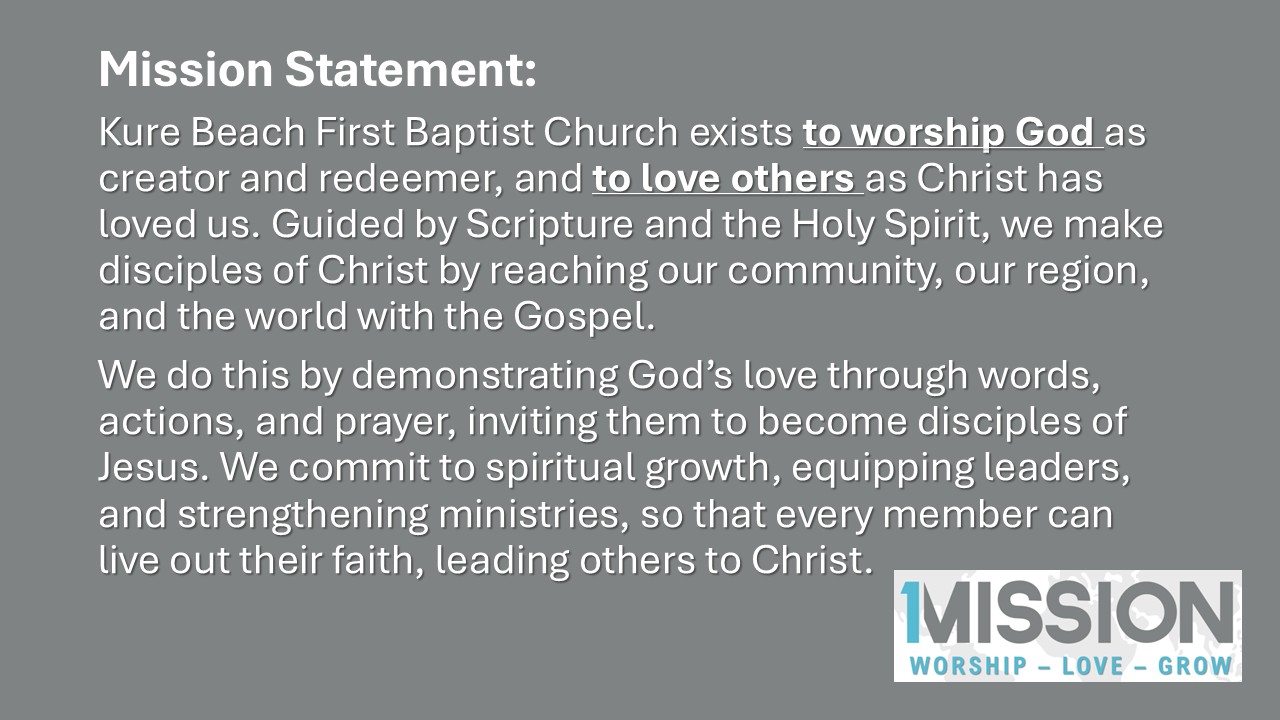
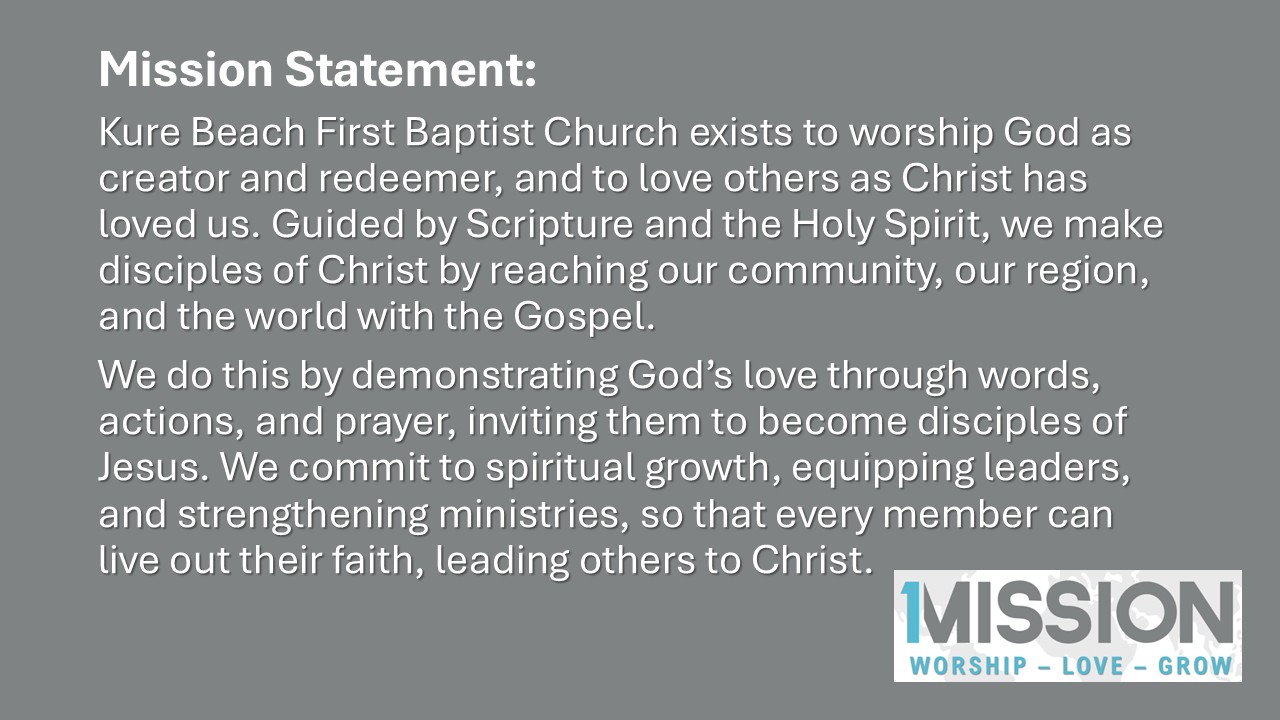
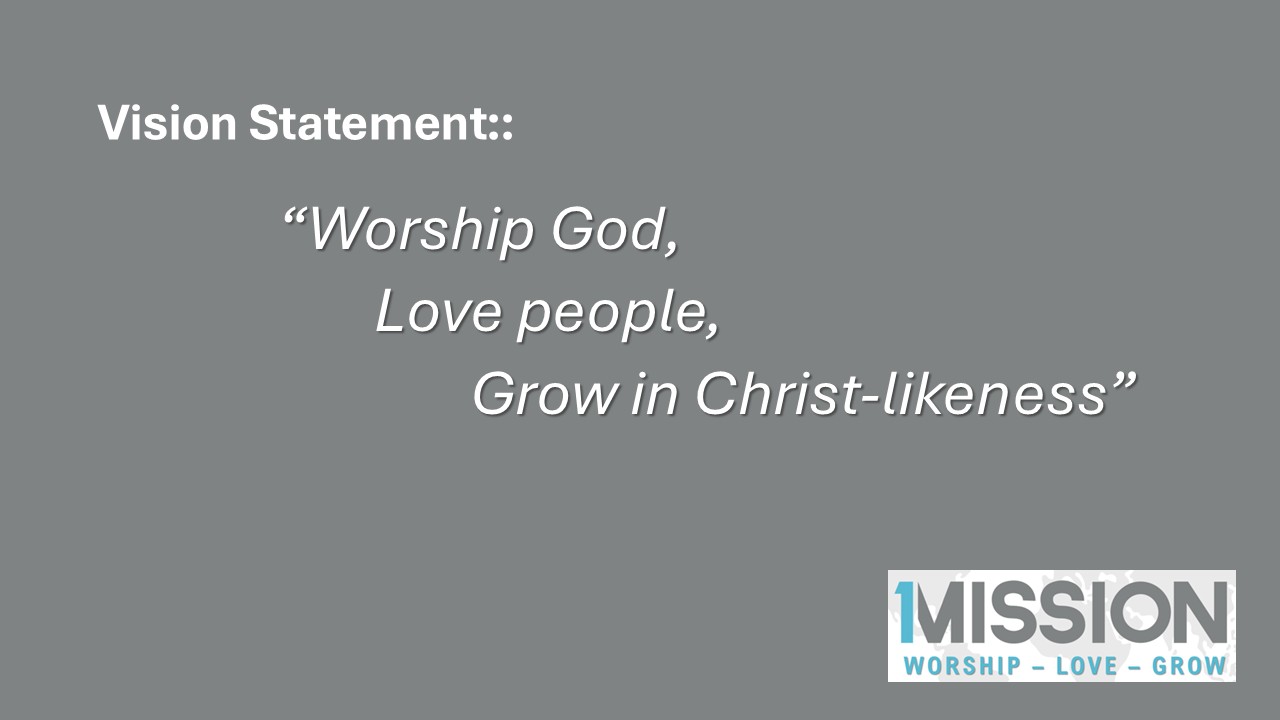
That same principle applies to the church. I am preaching five messages on the mission of our church, and let’s be clear about this: God is the mission giver. Our mission statements are founded on Scripture and the messages I’m preaching are birthed out of those missional passages. The mission of our church is a reflection of God as the mission giver. A Biblical mission makes the connection between what God has commanded us to do and the nature of God. It is not by accident that the number one characteristic of God in the entire Bible is love, and the command he gives the church is to love God (worship) and to love other people. Last week we looked at the priority we need to give to the worship of God and this Sunday we see how that should lead us to love other people in the same way God has loved us. When the church demonstrates love for each other and the world around us, we reflect the very nature of God, and it is the nature of God the lost people of the world need to encounter. Join me this Sunday for the second message in our 1Mission series.

Sunday Sermon Slides

January 4th, 2026

Happy New Year! I pray that 2026 will be your best year yet! I give thanks to God for each of you and am excited to see how God will work in each of our lives in this new year.
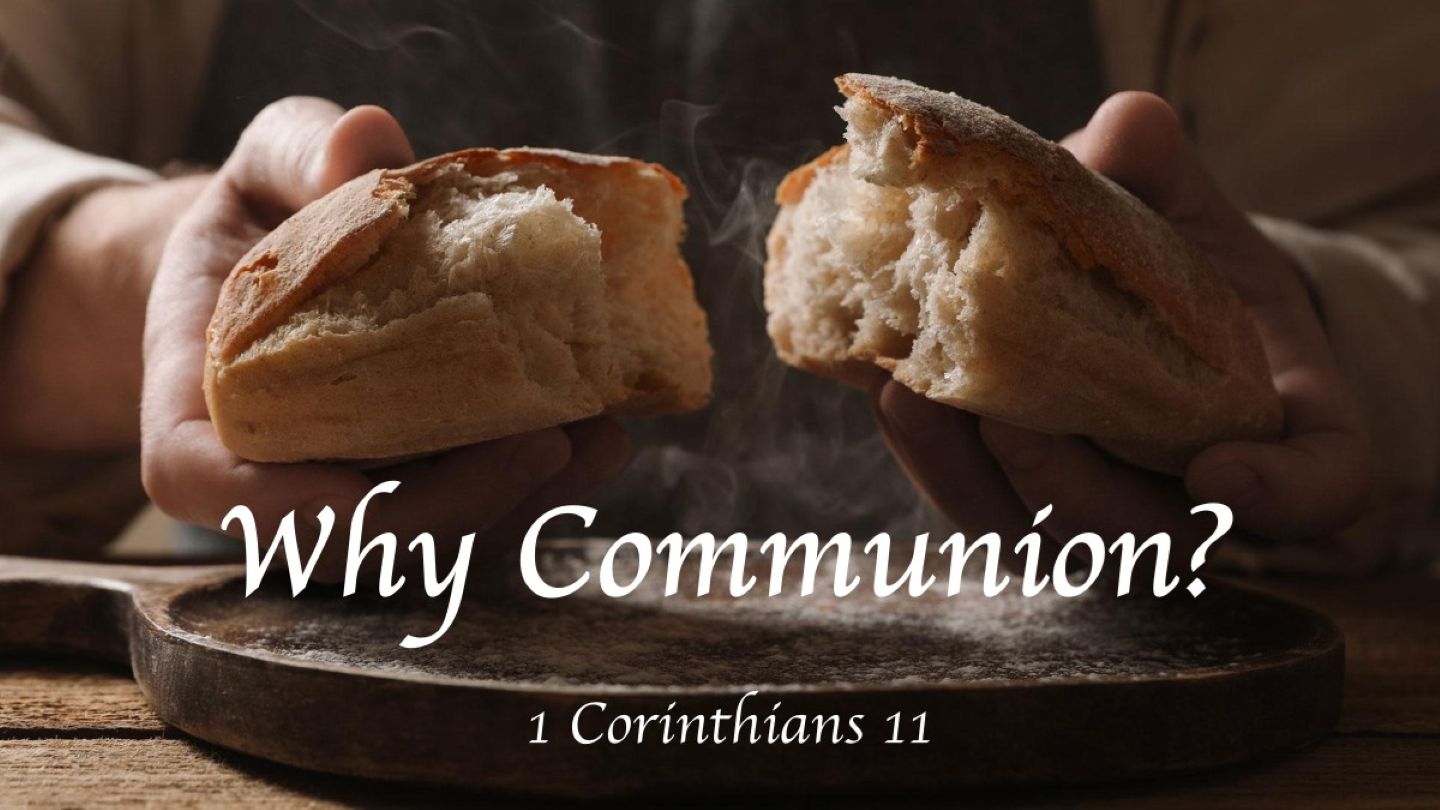
This Sunday we will share in the Communion of our Lord. Whether we want to admit it or not, we are religious people and can easily drift into doing things in the Christian life as an empty religious activity in place of why we should be doing it. Communion is an ordinance that we participate in that can definitely become an empty religious practice if we lose sight of why we share in communion. This Sunday we will look at what are likely the oldest words of the New Testament, an oral tradition that is recorded in 1 Corintians 11, which preserves the practice of communion for the church from the very beginnings of the church. In this familiar passage we will see a stern warning from the Apostle Paul, followed by clear directives of why and how we should participate in communion.
Communion serves as a reset for us in the Christian journey. Join us for this first Sunday of 2026 to make a reset in our spiritual lives that will invite God to do something great in our lives this year.

December 28th, 2025

I hope you had a wonderful Christmas Day in whatever way you have celebrated the birth of our Savior. While Christmas is over with, on the Church Calendar, Epiphany is the conclusion to the season of Advent and Christmas with a reflection on the visit of the wisemen to the Holy Family. Epiphany is important because it recognizes that the Advent of Christ was for people of all races and cultures, not just for the people of Israel. Epiphany tells us that Christ came for us and is our savior. It’s appropriate that we celebrate Epiphany on the last Sunday of the year as it definitely points us to a new beginning in life because of Christ.
Epiphany should also be a reminder to us that Christ came for all people groups and cultures around the world. Throughout the history of the church, Christians, local churches and Christian denominations can begin to believe that the Advent of Jesus is best understood in their own culture and traditions. We tend to believe that other cultures only muddy the waters of why Jesus came and for those cultures to really get who Jesus is they should first become like us, adopting our culture and traditions. Epiphany demonstrates that is not the case. What that means for us as Christians, as local churches and as denominations, is that we will better understand the full implications of the Advent of Jesus when we see it in light of cultural diversity. I have found that every time I encounter Christianity in a new culture, I understand the Gospel in a fuller way. As you come to Church this Sunday will you pray, “God, please open my eyes to understanding the Advent of Christ as a Gift for all people groups and cultures.” I pray you will make a new beginning just like those first wisemen did in the birth narrative.

December 21st, 2025

During the age of enlightenment, the common belief was that the world was becoming more peaceful and would continue to do so until humankind had reached a utopian kind of peace. They believed the world would gradually become more civil and that there would be no need for armies, that justice would be equal for all and no human need would be unmet. Then came the Bolshevik Revolution, followed by WWI, the Great Depression and then WWII. By the midpoint of the 20th Century very few people were holding on to the notion of worldwide peace. Today we live in a world with 2 major wars, mass migrations because of geo-political unrest, a renewed uneasiness about the future and a skewed justice for the most vulnerable in our world. Will there ever be Peace on Earth?

One of the main themes of Advent is the promise of peace – so why is there no peace on earth? That is a fair question. This Sunday we will see from Scripture how that promise of world peace will come to pass in the future. We will also see how that promise of eternal peace is one the individual can embrace personally that will give them peace in spite of the unpeaceful world we live in. And you guessed it – the Advent of Jesus is the key to the fulfilment of both kinds of peace. Join me this Sunday as we consider the Gift of Peace that comes with the Advent of Christ.

Quote from my message this Sunday – “If you want eternal Peace in your life, focus more on the next life not the next election.”

December 14th, 2025

The joyous Christian – some people think that to be a joyous Christian you should have no problems. Do you remember the song “Hakuna Matata” from the Lion King movie? Our oldest daughter Katie was about 8 years old when that movie came out so trust me – I remember that song very well. Some of the main lyrics define the phrase Hakuna Matata: “It means no worries, for the rest of your days . . . It’s our problem free philosophy.” It seems that some people adopt that same philosophy about the Advent of Jesus: that because Jesus came, I should have no more problems and therefore I have joy. But the point of Advent is that we can experience Joy no matter the circumstances.
The shepherds were the first people to hear the good news of Jesus’ birth. It was described to them as news of “Great Joy.” Shepherds were not typically joyful people in the ancient near east: they were isolated from others and because of their occupation didn’t get included in many social events. However, the shepherds were invited to share in the joy of Christ’s birth; and you are as well. Will you choose the gift of joy this Advent? Join me for the third Sunday of Advent –

December 7th, 2025

I will only be preaching at BC this Sunday. Campus Church will be devoted to the Kids Christmas Program.

I know that Valentine’s Day is the annual holiday devoted to love, but have you ever noticed how much love is emphasized during the Christmas season? Love is definitely a word prominently displayed on Christmas decorations. It is one of our Advent Themes and it is the subject of countless Hallmark Christmas Movies. Not to take anything away from Valentine’s Day, but Christmas is the season of love – God’s love to us.
This Sunday we will look into the non-traditional Christmas passage of 1 John 4 where the doctrine of love is on full display. In our text we will clearly see the Advent of Jesus as an act of love from God to us. The interesting thing we will see in this passage is that the love we receive from God is designed to be shared through us to others. If we want to live with the assurance that we have received the love of God, we need to be willing to be a conduit of His love to others . . . in the same way God showed love to us. Join me this Sunday as we Share in the Gift of God’s Love.

Find the Gift of HOPE

Sunday is the start of Advent: the waiting for the arrival of the Christ child! This Advent our theme this year is The Gifts of Christmas, where we will focus each Sunday on the biblical concepts of Hope, Love, Joy, Peace and Christ. Gifts are found, shared, chosen, embraced and experienced: that is what we will do with these Gifts, starting with hope.

Find the Gift of HOPE! Advent and the birth of Jesus happens at the darkest time of the year, helping to create a backdrop of spiritual darkness that needs to be lifted. This Sunday we will reflect on the circumstances in which Jesus was born: it was a dark time. The people of Israel were searching for a sign that would give them hope. In the Advent of Jesus that hope was announced, first to Mary, then to the shepherds. They found the gift of hope in Jesus.

People today are searching for a sign of hope as well. They may not be looking to scripture or even something religious, but they are nonetheless searching for hope. You may be one of those people. The Advent season affords us the opportunity to look deeply into the significance of the birth of Jesus. Advent invites us all to find not only hope in Jesus, but to also understand that Jesus came to fulfill the aspirations of our hopes. Jesus came, not to be served like other rulers, but to serve others. He came not to condemn us for our sins but to save us from our sins. Jesus came not to just make life more tolerable, but to give us a new life with eternal dimensions. That is the kind of hope we are considering this Sunday as we explore The Gifts of Christmas! Join us this Sunday as we Find the Gift of HOPE!